
NJ SNIP: Supporting Behavioral Health Access Through Trust-based Grantmaking
Amid shifting federal health care funding, grants that enable health care safety net entities to respond to the changing landscape can unlock immense value. This form of grantmaking puts daily program-related decisions in the hands of people doing the work, allowing organizations to develop and sustain staff positions, workflows, and programs that reflect their priorities.

Leaning Into Radical Collaboration Will Advance Your Focused Mission
At this year’s GIH annual conference, I found myself surrounded by hundreds of philanthropic leaders deeply committed to improving the health and well-being of their communities. Again and again, I met funders whose work was grounded in a particular place, population, or issue. These funders know their communities intimately. They understand local history, relationships, and the needs of their communities. Their focus is one of their greatest strengths.

Changing the Vaccine Conversation Before It’s Too Late—What Can Philanthropy Do?
In July 2026, the United States reached a grim milestone when the number of confirmed cases of measles exceeded the total for all of 2025. On August 10, 2026, the White House issued an executive order directing changes to the federal childhood vaccine schedule and categories, and calls for availability of separate measles, mumps, and rubella vaccines. The science has not changed, but the new framework could significantly slow down the delivery of protective immunizations from these serious diseases.

Community Focused Strategies to Improve Health in West Baltimore
For far too long, residents of west Baltimore have faced continuous uphill battles to access basic amenities, services, jobs, and quality of life. Racism, redlining, eminent domain, disinvestment, school closures, poverty, violent crime, chronic health conditions, failed affordable housing, and the outmigration of businesses and residents have left behind vacant housing and dilapidated commercial corridors. These challenges result in a 17-year difference in life expectancy between residents of west Baltimore neighborhoods compared to other parts of the city.
GIH Health Policy Update Newsletter
An Exclusive Resource for Funding Partners
The Health Policy Update is a newsletter produced in collaboration with Leavitt Partners and Trust for America’s Health. Drawing on GIH’s policy priorities outlined in our policy agenda and our strategic objective of increasing our policy and advocacy presence, the Health Policy Update provides GIH Funding Partners with a range of federal health policy news.

Expanding Youth Mental Health in Philadelphia Schools
Youth in the United States are in crisis. Rates of depression and anxiety in children have been on the rise, the result of factors like social media, pandemic related issues like isolation, and trauma from gun violence and poverty. Between 2016 and 2020, diagnoses of depression in youth ages 3-17 increased by nearly 30 percent and were higher for children of color and LGBTQ children according to a 2022 study by the Agency for Healthcare Research and Quality.

‘Digging In’ to Create a Healthy Agriculture System
Sustainable Agriculture and Food Systems Funders (SAFSF), a Grantmakers In Health (GIH) Philanthropy Support Partner, recently released their first documentary film, Digging In, in partnership with Masika Henson, Nathan.works, and Vatheuer Family Foundation. The documentary aims to help funders understand how land access, consolidation, and climate change affect U.S. agriculture, which are all factors that impact health and equity. To learn more about the creation and inspiration behind the film, GIH conducted the following Q&A with SAFSF’s Executive Director Clare Fox.

How Philanthropy Can Support Los Angeles Homeless Providers Facing Challenges Accessing California Housing Services
In 2022, Cedars-Sinai, HealthNet, and the California Community Foundation launched a philanthropic partnership to support a learning collaborative for 11 providers that serve the unhoused to receive capacity building, policy guidance, and other assistance to take advantage of the new CalAIM Community Supports (CS) housing services. Nonprofit Finance Fund engaged providers and provided capacity building and support to each organization to explore CalAIM and plan for their potential engagement in the Medi-Cal service model. Corporation for Supportive Housing is working on an advocacy agenda with the provider cohort as they experienced challenges and barriers during the process. The goal was for their learnings to inform current and future policy and advocacy discussions about the opportunities, challenges, and needs related to Community Supports to promote the highest quality of care for individuals and families who are at risk of becoming unhoused or who are already unhoused.

Cross-Sector Collaboration to Expand Early Access to Whole-Person, Supportive Cancer Care
For many common cancers, the rates of incidence are on the rise. In 2024, first-time new cases of cancer in the United States are expected to reach two million, or almost 5,500 cancer diagnoses a day, with Black, Indigenous, and People of Color (BIPOC) communities experiencing a higher incidence. Within the health care system, there are multiple challenges to equitable care related to gaps in health insurance, access to care and culturally relevant care models, and discrimination and bias in care and treatment.
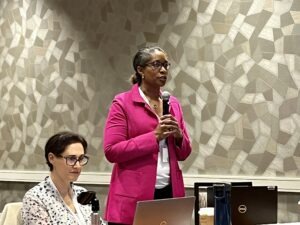
Driving Change through Public-Private Collaboration at Age + Action 2024
On May 7, 2024, Grantmakers In Health (GIH) and Grantmakers In Aging (GIA) cohosted a funders-only meeting at the National Council on Aging’s Age + Action 2024 conference. The session, “Driving Change through Public-Private Collaboration,” focused on bridging connections between the public and private sectors to improve the health and well-being of older adults in…