
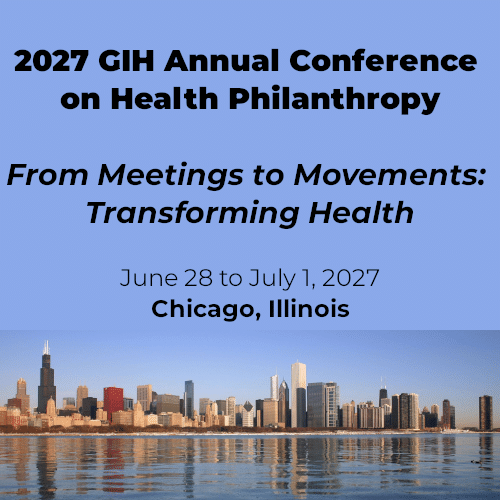
Submit a Session Proposal for the 2027 GIH Annual Conference on Health Philanthropy
We invite you to submit a session proposal for the 2027 Grantmakers In Health (GIH) Annual Conference on Health Philanthropy, From Meetings to Movements: Transforming Health, which will be held in person in Chicago, Illinois, from June 28 to July 1, 2027. From Meetings to Movements: Transforming Health Forty-five years ago, a small group of…
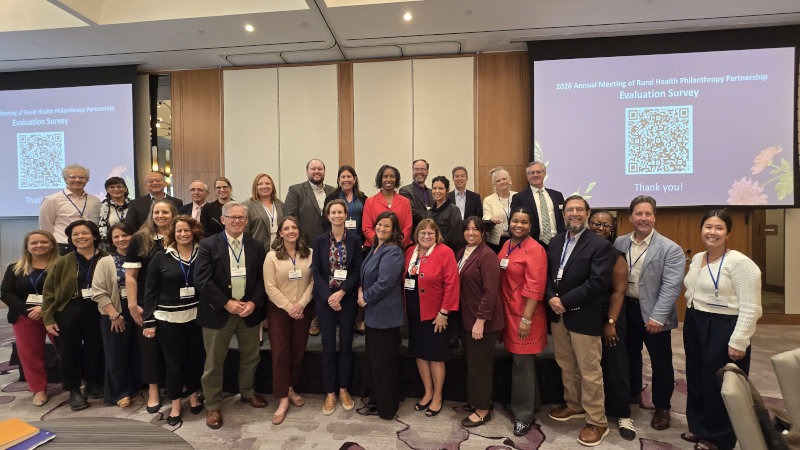
Make Connections to Create a Movement for Rural Health
On Thursday, September 24, the Annual Meeting of the Rural Health Philanthropy Partnership kicked off in downtown Bethesda, MD. Selected highlights from the convening’s first day setting the stage for a full day of sessions and networking opportunities centered on how collaboration can build on progress already underway in rural and tribal communities, including rural health transformation efforts.

NJ SNIP: Supporting Behavioral Health Access Through Trust-based Grantmaking
Amid shifting federal health care funding, grants that enable health care safety net entities to respond to the changing landscape can unlock immense value. This form of grantmaking puts daily program-related decisions in the hands of people doing the work, allowing organizations to develop and sustain staff positions, workflows, and programs that reflect their priorities.

Leaning Into Radical Collaboration Will Advance Your Focused Mission
At this year’s GIH annual conference, I found myself surrounded by hundreds of philanthropic leaders deeply committed to improving the health and well-being of their communities. Again and again, I met funders whose work was grounded in a particular place, population, or issue. These funders know their communities intimately. They understand local history, relationships, and the needs of their communities. Their focus is one of their greatest strengths.
GIH Health Policy Update Newsletter
An Exclusive Resource for Funding Partners
The Health Policy Update is a newsletter produced in collaboration with Leavitt Partners and Trust for America’s Health. Drawing on GIH’s policy priorities outlined in our policy agenda and our strategic objective of increasing our policy and advocacy presence, the Health Policy Update provides GIH Funding Partners with a range of federal health policy news.


UniHealth Foundation: July 2026
UniHealth Foundation recently launched its Healthy Neighbors Small Grants Program. The new initiative will fund nonprofits focused on enhancing community health and wellness in Pasadena, Altadena, Sierra Madre, and South Pasadena, California. Grant awards will range from $5,000 to $10,000, with decisions announced in late fall 2026.
Morgan Stanley Alliance for Children’s Mental Health: July 2026
Applications for the Morgan Stanley Alliance for Children’s Mental Health 2027 Innovation Awards, including its Next Gen category, are open through July 24, 2026. As mental health issues continue to plague adolescents, the Innovation Awards seek to identify and advance new, impactful ways to help address these issues and support nonprofits making meaningful impacts at the local and national levels across the U.S.

Blue Cross Blue Shield Massachusetts Foundation: July 2026
A combination of longstanding systemic failures and recent federal policy changes threaten to exacerbate health care access challenges and unravel Massachusetts’ near universal health insurance coverage. In response to this crisis, the Blue Cross Blue Shield Massachusetts Foundation convened a work group of business and health leaders to align on the core health care system problems facing the state and to identify policy solution areas to address the identified system challenges.
Rx Foundation: July 2026
Rx Foundation released Signals from the Field, a new report that shares what the foundation learned from nearly 700 organizations that applied to its Building Capacity for Health Advocacy grant program in 2025. The response to this grant cycle was unprecedented, and it gave the foundation team a powerful view into what nonprofit organizations across the country are naming, building, and needing in this moment.
Michael Reese Health Trust: July 2026
Michael Reese Health Trust, in partnership with the VNA Foundation, conducted a landscape scan of domestic violence prevention efforts focused on people who cause harm. The resulting report, Reaching People Who Cause Harm: Policies, Funding, and Strategies in Cook County, identifies urgent challenges as well as new opportunities for how Cook County, Illinois supports survivors, interrupts cycles of harm, and keeps families safe.