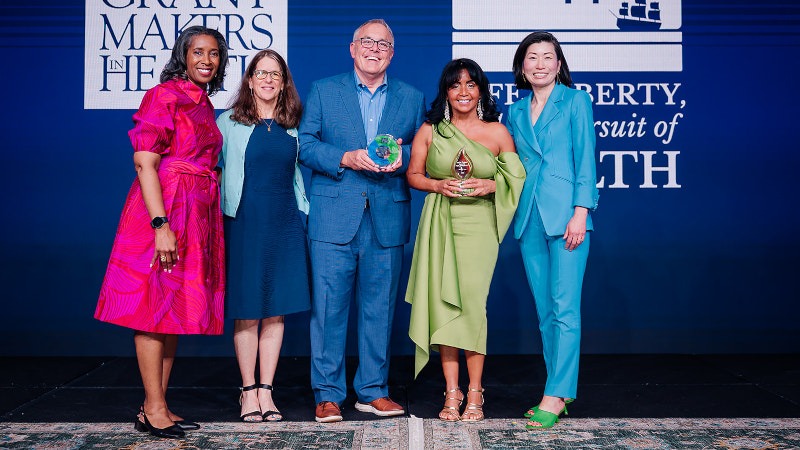
Getting in Formation: Working Together to Build Healthy Communities
From breakout sessions to quick takes and wellness activities to two inspiring plenary sessions, every corner during day two of the Grantmakers In Health (GIH) Annual Conference on Health Philanthropy, Life, Liberty, and the Pursuit of Health was filled with conversation and connection. The day’s agenda focused on how funders can find and use their voices to stand up in this moment of change, including doubling down on their values; taking bigger, bolder risks alongside grantees; and seeking partnerships spanning the private and public sectors.
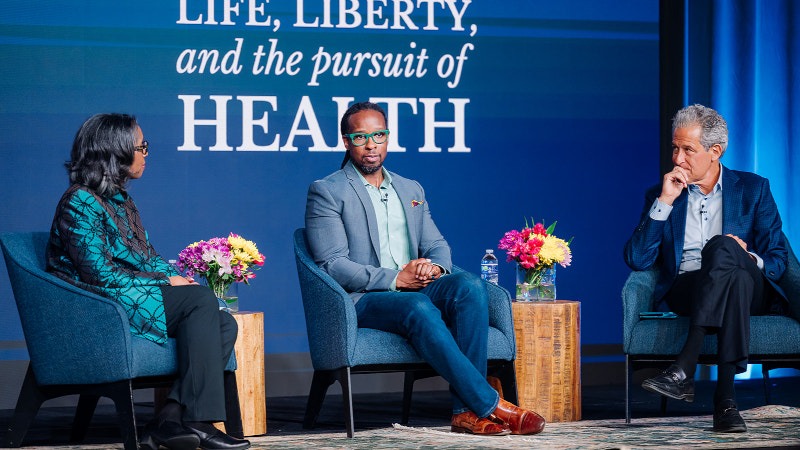
Life, Liberty, and the Pursuit of Health in Action
Life, Liberty, and the Pursuit of Health is more than this year’s Annual Conference on Health Philanthropy theme; it is the foundation for every planned session, unexpected learning moment, and conversation in Baltimore from June 8-11. The pre-conference kicked off with a range of discussions centered on the theme, including the state of Medicaid after H.R. 1, the connection between democracy and better health outcomes, and collaborations in public health funding.
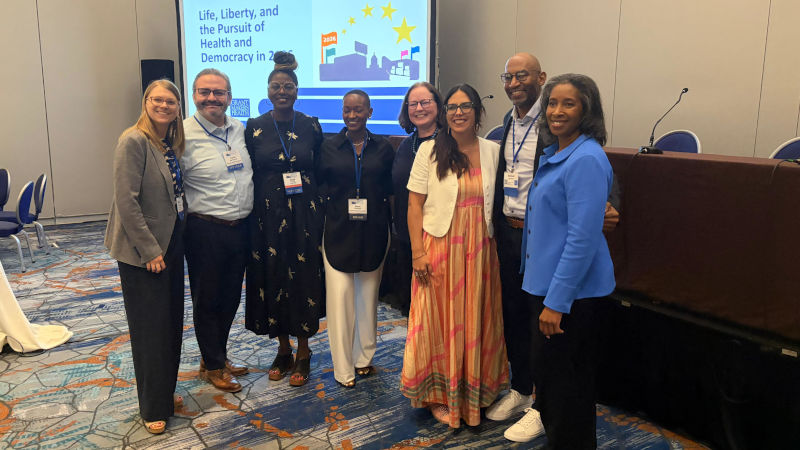
Health Philanthropy Working at the Intersections Between Critical Issues
Life, Liberty, and the Pursuit of Health is more than this year’s Annual Conference on Health Philanthropy theme; it is the foundation for every planned session, unexpected learning moment, and conversation in Baltimore from June 8-11. The pre-conference kicked off with a range of discussions centered on the theme, including the state of Medicaid after H.R. 1, the connection between democracy and better health outcomes, and collaborations in public health funding.
GIH Health Policy Update Newsletter
The Latest
An Exclusive Resource for Funding Partners
The Health Policy Update is a newsletter produced in collaboration with Leavitt Partners and Trust for America’s Health. Drawing on GIH’s policy priorities outlined in our policy agenda and our strategic objective of increasing our policy and advocacy presence, the Health Policy Update provides GIH Funding Partners with a range of federal health policy news.
The California Endowment: November 2023
The California Endowment published a report titled Building Trust & Equity: What The California Endowment Has Learned from Over a Decade of Impact Investing. The report shares learnings from the foundation’s recent history of impact investing, an approach that uses investment assets to generate financial and social returns.
Blue Cross Blue Shield of Massachusetts Foundation: November 2023
Blue Cross Blue Shield of Massachusetts Foundation developed a report as a resource for stakeholders to help explain the key elements of MassHealth Accountable Care Organizations, including the two types, who they serve, and the services they provide.

Philanthropy @ Work – Grants and Programs – November 2023
The latest on grants and programs from the field.
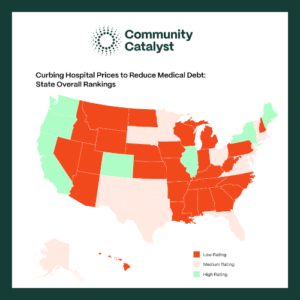
A Compendium of State Policies to Curb Hospital Prices and Reduce Medical Debt
Health care in the United States is the most expensive in the world by far and the reason is simple – health care providers keep increasing the prices of services. Hospitals, which represent the largest component of health care spending, have an outsized influence on medical debt in their communities through their policies and behavior.
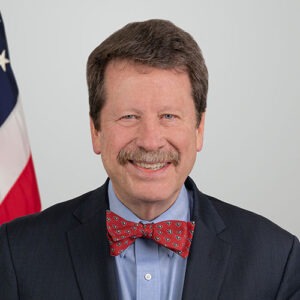
FDA Commissioner to Deliver 2023 Lauren LeRoy Health Policy Lecture at GIH Fall Forum
Grantmakers In Health (GIH) is pleased to announce that Dr. Robert Califf, Commissioner of Food and Drugs at the U.S. Food and Drug Administration (FDA), will deliver the 2023 Lauren LeRoy Health Policy Lecture at the Grantmakers In Health Fall Forum in Washington, DC.