
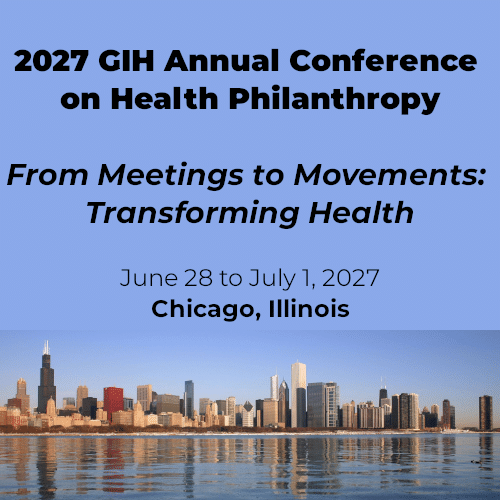
Submit a Session Proposal for the 2027 GIH Annual Conference on Health Philanthropy
We invite you to submit a session proposal for the 2027 Grantmakers In Health (GIH) Annual Conference on Health Philanthropy, From Meetings to Movements: Transforming Health, which will be held in person in Chicago, Illinois, from June 28 to July 1, 2027. From Meetings to Movements: Transforming Health Forty-five years ago, a small group of…
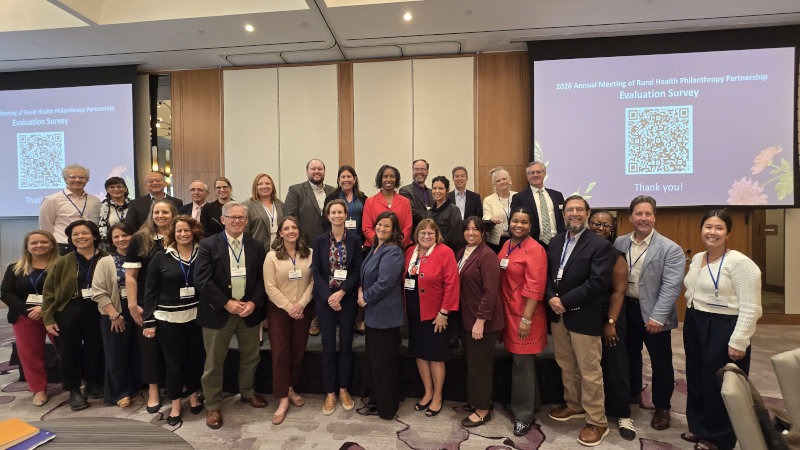
Make Connections to Create a Movement for Rural Health
On Thursday, September 24, the Annual Meeting of the Rural Health Philanthropy Partnership kicked off in downtown Bethesda, MD. Selected highlights from the convening’s first day setting the stage for a full day of sessions and networking opportunities centered on how collaboration can build on progress already underway in rural and tribal communities, including rural health transformation efforts.

NJ SNIP: Supporting Behavioral Health Access Through Trust-based Grantmaking
Amid shifting federal health care funding, grants that enable health care safety net entities to respond to the changing landscape can unlock immense value. This form of grantmaking puts daily program-related decisions in the hands of people doing the work, allowing organizations to develop and sustain staff positions, workflows, and programs that reflect their priorities.

Leaning Into Radical Collaboration Will Advance Your Focused Mission
At this year’s GIH annual conference, I found myself surrounded by hundreds of philanthropic leaders deeply committed to improving the health and well-being of their communities. Again and again, I met funders whose work was grounded in a particular place, population, or issue. These funders know their communities intimately. They understand local history, relationships, and the needs of their communities. Their focus is one of their greatest strengths.
GIH Health Policy Update Newsletter
An Exclusive Resource for Funding Partners
The Health Policy Update is a newsletter produced in collaboration with Leavitt Partners and Trust for America’s Health. Drawing on GIH’s policy priorities outlined in our policy agenda and our strategic objective of increasing our policy and advocacy presence, the Health Policy Update provides GIH Funding Partners with a range of federal health policy news.
Always Future Focused: Reflecting on Grantmakers In Health’s 40th Year
From the Annual Conference to the Fall Forum, 2022 has been a year of celebration to mark 40 years of Grantmakers In Health. We launched this milestone occasion with a new five-year strategic plan and complementary vision, Better Health For All Through Better Philanthropy. Our renewed vision for health philanthropy has served as a point…
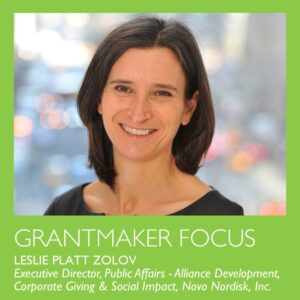
Novo Nordisk, Inc.
We are excited about the new direction NNI is taking with our charitable giving strategy, focusing on reducing the burden of chronic disease for vulnerable populations. By committing funding to projects specifically geared toward prevention by way of community-based health education and nutrition equity/food access, we are focused on supporting capacity building of local, on-the-ground organizations to design solutions tailored for the needs of the communities they serve. This in turn is designed to ultimately lead to better health outcomes.

Funding Health Advocacy in Turbulent Times: Three Practices to Adopt
Effective health advocacy is not an easy endeavor, but when executed correctly, the results can be game-changing. Health advocates, whether operating through organizations, coalitions, campaigns, or movements, are accustomed to spending long periods of time with no outwardly visible activity or tangible progress, followed by an immediate sense of urgency and action to seize a window of opportunity. In many ways COVID-19 was one of those windows with phrases like health disparities becoming crystal clear to many.
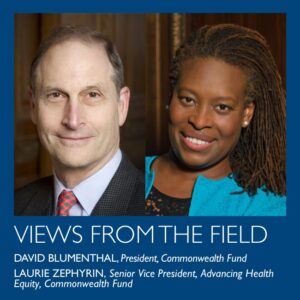
Promoting Health Equity and Combating Racism Through Health Policy
Not every foundation is comfortable with trying to affect health policy.
Nevertheless, for philanthropies committed to promoting health equity, shaping governmental action at every level is a powerful tool that deserves close examination.


Foundation for a Healthy High Point: November 2022
The rate of teen pregnancy in Greater High Point decreased between 2010 and 2020, the rates of pre-term births, low birth-weight babies, and infant mortality increased slightly and remained above the state average, according to the “Healthy Beginnings in Greater High Point” study.