

Getting in Formation: Working Together to Build Healthy Communities
From breakout sessions to quick takes and wellness activities to two inspiring plenary sessions, every corner during day two of the Grantmakers In Health (GIH) Annual Conference on Health Philanthropy, Life, Liberty, and the Pursuit of Health was filled with conversation and connection. The day’s agenda focused on how funders can find and use their voices to stand up in this moment of change, including doubling down on their values; taking bigger, bolder risks alongside grantees; and seeking partnerships spanning the private and public sectors.
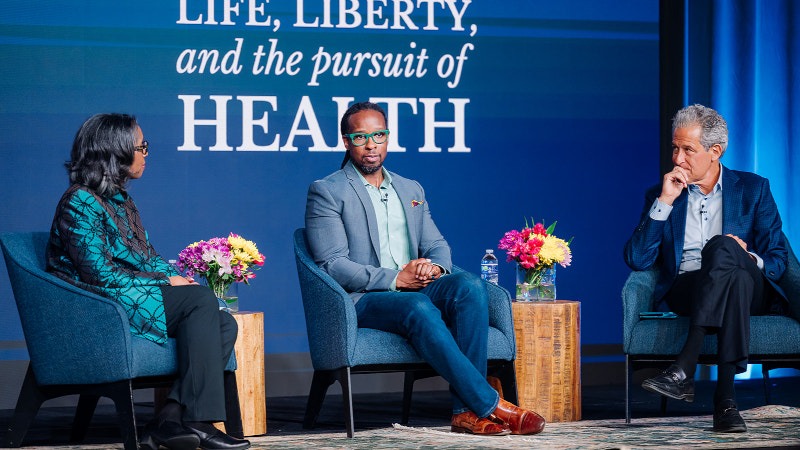
Life, Liberty, and the Pursuit of Health in Action
Life, Liberty, and the Pursuit of Health is more than this year’s Annual Conference on Health Philanthropy theme; it is the foundation for every planned session, unexpected learning moment, and conversation in Baltimore from June 8-11. The pre-conference kicked off with a range of discussions centered on the theme, including the state of Medicaid after H.R. 1, the connection between democracy and better health outcomes, and collaborations in public health funding.
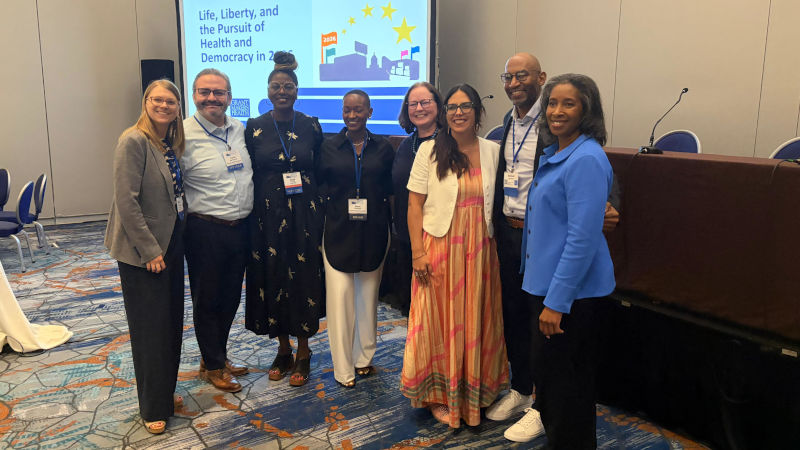
Health Philanthropy Working at the Intersections Between Critical Issues
Life, Liberty, and the Pursuit of Health is more than this year’s Annual Conference on Health Philanthropy theme; it is the foundation for every planned session, unexpected learning moment, and conversation in Baltimore from June 8-11. The pre-conference kicked off with a range of discussions centered on the theme, including the state of Medicaid after H.R. 1, the connection between democracy and better health outcomes, and collaborations in public health funding.
GIH Health Policy Update Newsletter
The Latest
An Exclusive Resource for Funding Partners
The Health Policy Update is a newsletter produced in collaboration with Leavitt Partners and Trust for America’s Health. Drawing on GIH’s policy priorities outlined in our policy agenda and our strategic objective of increasing our policy and advocacy presence, the Health Policy Update provides GIH Funding Partners with a range of federal health policy news.

Blue Cross Blue Shield of Massachusetts Foundation: January 2022
Racism and Racial Inequities in Health: A Data-Informed Primer on Health Disparities in Massachusetts serves as a foundational resource to broaden the collective understanding of racial and ethnic health inequities and disparities. The primer is intended to support discussion about how our healthcare system and other systems that impact health enhance or undermine health, and to facilitate the development of solutions to strengthen those systems to serve all Massachusetts residents.

Philanthropy @ Work – Grants and Programs – January 2022
The latest on grants and programs from the field.

GIH Announces New Board Members
Grantmakers In Health is pleased to announce that Irfan Hasan, Oanh Maroney-Omitade, Tricia Neuman, Randall Russell, and Nikki Highsmith Vernick have been elected to its board of directors.
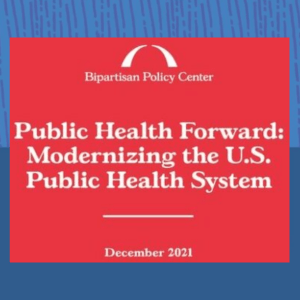
Public Health Forward: Modernizing the U.S. Public Health System
The Bipartisan Policy Center, deBeaumont Foundation, and the Public Health Forward Coalition has just released Public Health Forward: Modernizing the U.S. Public Health System, a five-year roadmap for public health. The report provides practical, bi-partisan actions to modernize and repair the nation’s public health system. Key recommendation for policy makers and public health departments include addressing: financing; data and information technology; workforce; public health laws and governance; partnerships; and community engagement.
Grantmakers In Health Announces New Strategic Plan: Better Health For All Through Better Philanthropy
In advance of its 40th year anniversary, Grantmakers In Health (GIH) today released its five-year strategic plan, outlining an equity-centered path forward to bring its new vision, “Better health for all through better philanthropy,” to life.