
Contribute to the Philanthropic Growth and Impact Fund
Explore Philanthropic Growth and Impact Topics

Latest Resources
Make Connections to Create a Movement for Rural Health
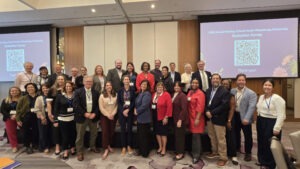
On Thursday, September 24, the Annual Meeting of the Rural Health Philanthropy Partnership kicked off in downtown Bethesda, MD. Selected highlights from the convening’s first day setting the stage for a full day of sessions and networking opportunities centered on how collaboration can build on progress already underway in rural and tribal communities, including rural health transformation efforts.

NJ SNIP: Supporting Behavioral Health Access Through Trust-based Grantmaking
Amid shifting federal health care funding, grants that enable health care safety net entities to respond to the changing landscape can unlock immense value. This form of grantmaking puts daily program-related decisions in the hands of people doing the work, allowing organizations to develop and sustain staff positions, workflows, and programs that reflect their priorities.

Leaning Into Radical Collaboration Will Advance Your Focused Mission
At this year’s GIH annual conference, I found myself surrounded by hundreds of philanthropic leaders deeply committed to improving the health and well-being of their communities. Again and again, I met funders whose work was grounded in a particular place, population, or issue. These funders know their communities intimately. They understand local history, relationships, and the needs of their communities. Their focus is one of their greatest strengths.
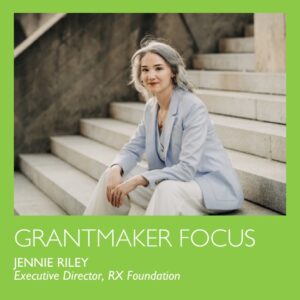
Rx Foundation
“Over the past decade, Rx has evolved both what we fund and how we fund. We began by asking what a small national health foundation could do to support health advocacy, and that question led us to move resources toward building capacity for community organizing, civic engagement, and the connective tissue that makes it possible for communities to build power for long-term change.”
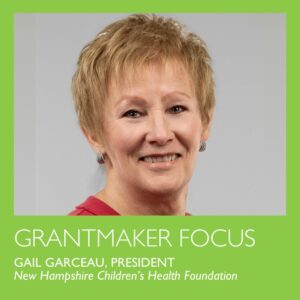
New Hampshire Children’s Health Foundation
“Over the past several years, we have come to recognize that many of the issues our funded partners work tirelessly to address—poor health outcomes, educational disparities, and family instability—are inextricably linked to economic hardship. Even in a state often perceived as prosperous, significant pockets of child poverty persist, particularly in rural communities and among families with limited access to opportunity. This reality prompted us to take a deeper look at the systemic conditions shaping children’s lives and to reconsider how our philanthropy could be most effective.”

Beyond the Rankings: What Four Decades of KIDS COUNT Have Taught Me About Why Data Matter
For more than three decades, through the Annie E. Casey Foundation’s KIDS COUNT® project, decisionmakers and communities have had access to reliable national, state, and local data to improve outcomes for all children, young people, and families in this country. KIDS COUNT comprises the foundation’s national KIDS COUNT publications—the annual KIDS COUNT Data Book and periodic reports such as Race for Results; the KIDS COUNT Data Center, a resource for year-round national, state, and local data; and the KIDS COUNT Network of state-based partner organizations that help policymakers, advocates, journalists, and community leaders understand and use data to make informed decisions.
Reports and Publications
2024 Health Equity Survey: Understanding the Changing Landscape
In 2024, Grantmakers In Health (GIH) surveyed its Funding Partners to understand how their health equity work has evolved. The survey consisted of 40 questions including demographic information, program focus areas, partner engagement, organizational strategy, priority population, successes, and challenges. This report summarizes findings from the Health Equity Survey titled, “Understanding the Changing Landscape.”
Diversity in the Leadership, Staff, and Boards of Health Philanthropy
A new Grantmakers In Health survey of health funder leadership, staff, and boards found that health funder organizations are more racially and ethnically diverse than the broader field of philanthropy.
Advancing Health and Creating Lasting Impact: MacKenzie Scott’s Grants to Health Foundations
In 2019, MacKenzie Scott announced that she was stepping into the world of philanthropy to give away her multi-billion-dollar fortune “until the safe is empty”. She has kept her word—to date, she has given away $16.5 billion. Her initial process for choosing which organizations would receive grants was shrouded in mystery. From 2019 to 2023, Scott used a process she termed “quiet research” to identify possible grantee organizations. The lucky organizations received a call from Scott’s consultants, who let them know they were receiving a grant for immediate use however they would like to spend it. In the Fall of 2022, Grantmakers In Health (GIH) became one of those grantee organizations, along with more than 20 health foundations. Two additional GIH Funding Partner organizations received gifts in 2020 and 2021, respectively.

Trustee Resources
Explore this page to browse resources, publications, and events related to foundation trustees.