
A New Path for Philanthropy: Supporting Oral Health Through Community Partnerships
Good nutrition is essential to good oral as well as overall health. A community-based organization in central Washington state called APOYO shares this belief with Arcora Foundation. Beyond food and nutrition services, the organization has long supported immigrant and Latinx families with culturally relevant outreach, advocacy, and resource navigation. But during the summer of 2025, their ability to support communities was in jeopardy.
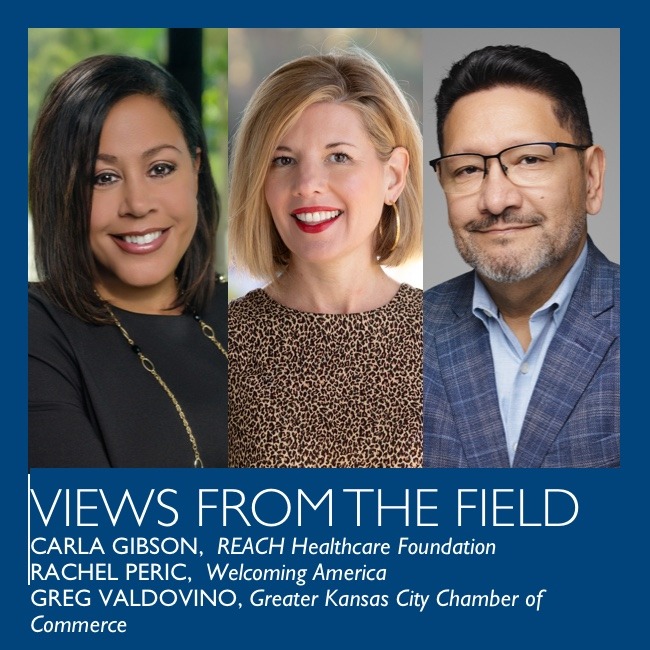
Welcoming and Belonging: Drivers for Equity and Growth
More than a decade ago, leadership at REACH Healthcare Foundation began exploring how a community would function if it truly embraced welcoming and belonging for immigrant and refugee populations. The mid-sized Midwest philanthropic foundation sought to invest in a plan to reveal, then address, the systemic barriers impacting Kansas City’s efforts of inclusion for all members of the community.

Healing Takes Practice: Reaching People Is Only the Beginning
Violence is increasingly understood as a public health problem. That shift has changed the way communities respond—moving the conversation beyond policing and criminal justice and toward prevention, intervention, and the conditions that put people at risk. But treating violence as a health problem also requires us to reckon with trauma.
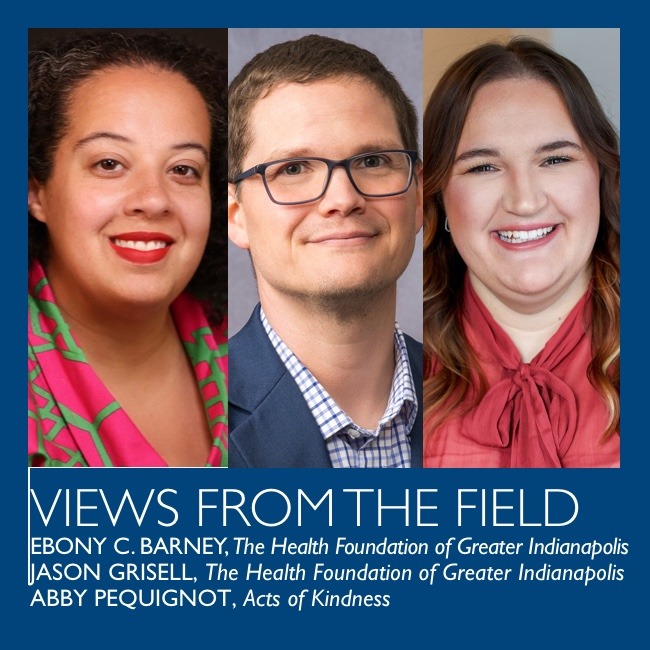
We Didn’t Stop: Leading with Purpose When the System Stepped Back
The notice came the way these things now tend to come: abruptly, in writing, and without a transition plan. In April 2025, Public Health AmeriCorps programs were terminated nationally alongside about 900 other AmeriCorps programs. Funding halted. AmeriCorps service members who had built their careers and households around a year of community health service were left waiting for answers no one could give them. Organizations across the country scrambled.
GIH Health Policy Update Newsletter
The Latest
An Exclusive Resource for Funding Partners
The Health Policy Update is a newsletter produced in collaboration with Leavitt Partners and Trust for America’s Health. Drawing on GIH’s policy priorities outlined in our policy agenda and our strategic objective of increasing our policy and advocacy presence, the Health Policy Update provides GIH Funding Partners with a range of federal health policy news.
GIH Comments on the NIH-Wide Strategic Plan Framework for FY27–FY31
GIH submitted a comment in response to a Request for Information from the National Institutes of Health (NIH) about the NIH-Wide Strategic Plan Framework for FY27–FY31. The Strategic Plan outlines NIH’s vision for biomedical research direction, capacity, and stewardship, and lays out NIH’s proposed priorities over the next five years.
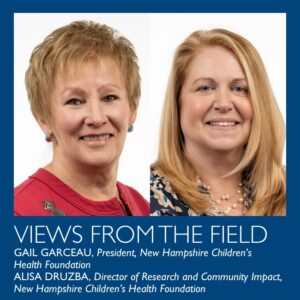
Taking the Risk to Shift Our Focus Upstream
For nearly three decades, we at the New Hampshire Children’s Health Foundation have operated with a clear and compassionate mission: to improve the health and well-being of vulnerable children from birth to five years old and their families throughout New Hampshire. Yet after 28 years, we have made a deliberate and strategic decision to evolve our approach—shifting our focus “upstream” to address poverty as a root cause of the challenges we have long sought to mitigate.

Surplus-to-Care: A Systems Approach to Expanding Insulin and Diabetes Supplies Access
Grantmakers In Health’s Maya Schane spoke with Svetlana Hutfles of Insulin for Life USA (IFL USA) about the organization’s model to improve diabetes supplies access across the country, and how philanthropy can engage on this issue. The interview has been edited for length and clarity.
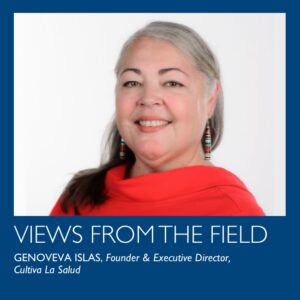
Cultivating Health Through Shared Prosperity and Street Food
A native of Fresno, I was raised in California’s Central Valley where I have now worked for a few decades. As a first-generation college student, my lived experience is very common for the children of farmworkers. My extended Mexican family was big, poor, uninsured, and suffered many losses from violence and preventable illnesses.

Bridging the Gap: How the Collaborative Care Model is Transforming Maternal Mental Health in Los Angeles
In California, as in the rest of the United States, the statistics regarding maternal mental health are alarming. Approximately one in five mothers suffers from mood and anxiety disorders during the perinatal period, which extends from pregnancy through one year postpartum. Yet, despite this high prevalence, the overwhelming majority of these women do not receive treatment. The barriers are systemic and multifaceted, including but not limited to behavioral health workforce shortages; a lack of integration between primary, perinatal, and behavioral health care; inadequate training for maternity care providers; and stigma.
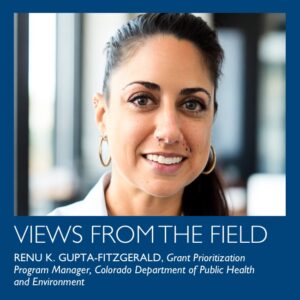
Funding Without Alignment Is Just Spending: Colorado’s Model for Alignment to Maximize Impacts on Youth Well-being
Public funding for youth well-being isn’t lacking in effort or investment. But when dollars move through disconnected systems, even the best intentions can fail to translate into meaningful outcomes. What if the challenge isn’t how much we fund, but how those investments work together? Colorado is testing a different approach: aligning funding, data, and strategy across agencies so that public dollars can operate as a more coordinated system rather than a collection of parallel but sometimes siloed efforts.