
NJ SNIP: Supporting Behavioral Health Access Through Trust-based Grantmaking
Amid shifting federal health care funding, grants that enable health care safety net entities to respond to the changing landscape can unlock immense value. This form of grantmaking puts daily program-related decisions in the hands of people doing the work, allowing organizations to develop and sustain staff positions, workflows, and programs that reflect their priorities.

Leaning Into Radical Collaboration Will Advance Your Focused Mission
At this year’s GIH annual conference, I found myself surrounded by hundreds of philanthropic leaders deeply committed to improving the health and well-being of their communities. Again and again, I met funders whose work was grounded in a particular place, population, or issue. These funders know their communities intimately. They understand local history, relationships, and the needs of their communities. Their focus is one of their greatest strengths.

Changing the Vaccine Conversation Before It’s Too Late—What Can Philanthropy Do?
In July 2026, the United States reached a grim milestone when the number of confirmed cases of measles exceeded the total for all of 2025. On August 10, 2026, the White House issued an executive order directing changes to the federal childhood vaccine schedule and categories, and calls for availability of separate measles, mumps, and rubella vaccines. The science has not changed, but the new framework could significantly slow down the delivery of protective immunizations from these serious diseases.

Community Focused Strategies to Improve Health in West Baltimore
For far too long, residents of west Baltimore have faced continuous uphill battles to access basic amenities, services, jobs, and quality of life. Racism, redlining, eminent domain, disinvestment, school closures, poverty, violent crime, chronic health conditions, failed affordable housing, and the outmigration of businesses and residents have left behind vacant housing and dilapidated commercial corridors. These challenges result in a 17-year difference in life expectancy between residents of west Baltimore neighborhoods compared to other parts of the city.
GIH Health Policy Update Newsletter
An Exclusive Resource for Funding Partners
The Health Policy Update is a newsletter produced in collaboration with Leavitt Partners and Trust for America’s Health. Drawing on GIH’s policy priorities outlined in our policy agenda and our strategic objective of increasing our policy and advocacy presence, the Health Policy Update provides GIH Funding Partners with a range of federal health policy news.
New Navigator Funding Available
On March 1, the Centers for Medicare and Medicaid Services (CMS) announced $2.3 million in additional funding to current Navigator grantees in federally-facilitated marketplace states to support the outreach, education, and enrollment efforts around the 2021 special enrollment period (now through May 15, 2021). The 30 organizations eligible to receive these funds work across 28 states to help consumers access financial assistance through HealthCare.gov, complete their applications, and enroll in coverage through the marketplace, Medicaid, or the Children’s Health Insurance Program (CHIP).
It’s Up to You
The Ad Council and the COVID Collaborative have launched a new campaign to educate the American public and build confidence around the COVID-19 vaccines.
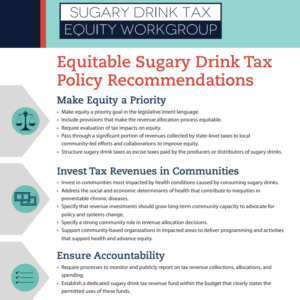
Centering Equity in Sugary Drink Tax Policy: Tax Design and Policy Research Recommendations
Healthy Food America has released the Sugary Drink Tax Equity Workgroup’s recommendations on how to design equitable sugary drink tax policy. Based on a year-long participatory process, the recommendations are focused on helping advocates and policymakers design sugary drink taxes that are centered in equity and benefit communities most negatively impacted by the beverage industry and sugary drink products.
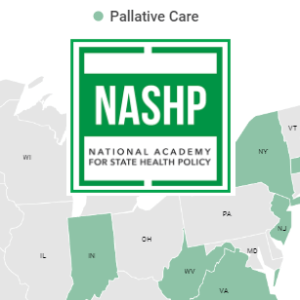
New State Palliative Care Budget and Policy Tracking Tool
The National Academy for State Health Policy has created an interactive map tracking new state palliative care legislation and related budget initiatives that are designed to promote and expand access to palliative care.

Philanthropy’s Rural Blind Spot
This timely analysis of shows how two aspects of distress—lack of human capital and economic disadvantage—predict communities’ likelihood of both applying for and receiving funding, explores the reasons for these inequities, and provides real-world examples of how funders can better serve these communities.
Grantmaking with a Racial Justice Lens
Join the Philanthropic Initiative for Racial Equity (PRE) on March 10 for a training on Grantmaking with A Racial Justice Lens, a guide providing grantmakers with reflections, frameworks, and tools built from the direct experience of activists and funders for advancing racial justice in any philanthropic setting.