
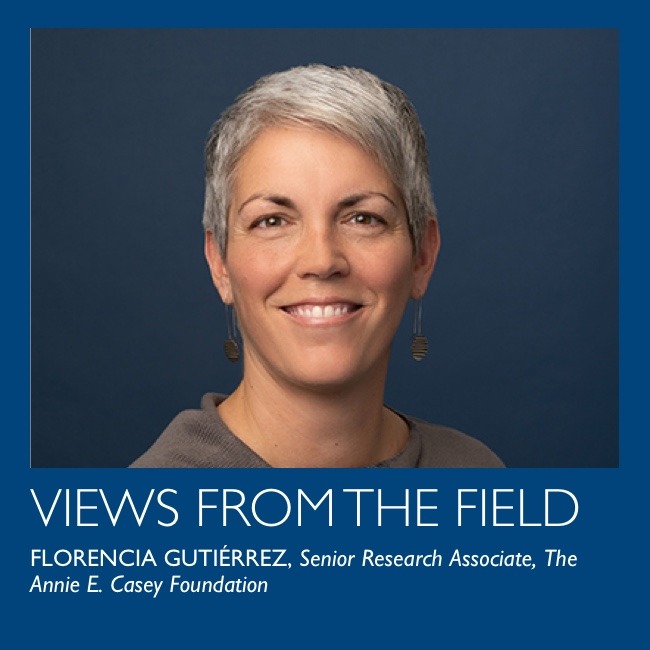
Beyond the Rankings: What Four Decades of KIDS COUNT Have Taught Me About Why Data Matter
For more than three decades, through the Annie E. Casey Foundation’s KIDS COUNT® project, decisionmakers and communities have had access to reliable national, state, and local data to improve outcomes for all children, young people, and families in this country. KIDS COUNT comprises the foundation’s national KIDS COUNT publications—the annual KIDS COUNT Data Book and periodic reports such as Race for Results; the KIDS COUNT Data Center, a resource for year-round national, state, and local data; and the KIDS COUNT Network of state-based partner organizations that help policymakers, advocates, journalists, and community leaders understand and use data to make informed decisions.
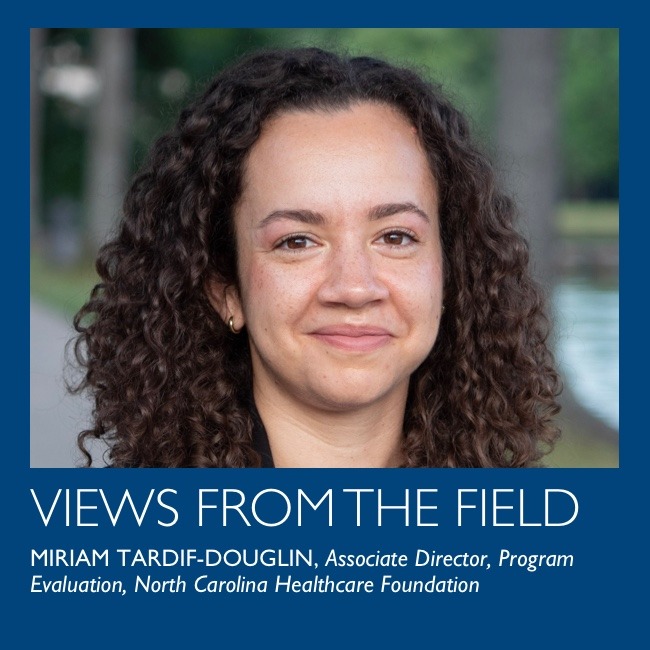
Opioid Use Disorder in Pregnancy: Countering Bias and Promoting Care
Most pregnancy-related deaths in North Carolina are preventable. Yet mental health conditions, including overdose and suicide, remain the leading cause of pregnancy-related death. For health care leaders, that reality demands a closer look at how we identify, treat, and support pregnant and postpartum patients with opioid use disorder.
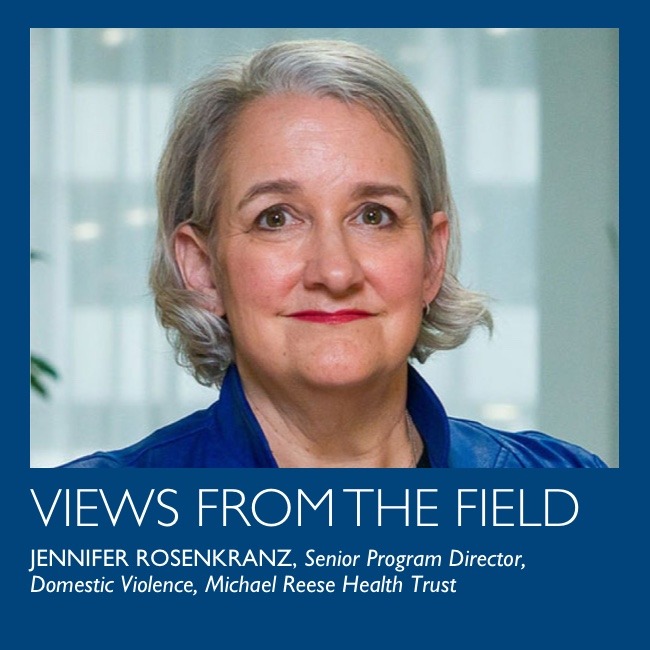
Preventing Domestic Violence by Reaching People Who Cause Harm
The research involved a landscape scan of Cook County, Illinois’ policies, funding, and services for people who cause harm with a goal of engaging the stakeholders and providers doing this work as well as survivors and those who receive services to identify barriers, challenges, and strengths of domestic violence prevention programs. The research examined Partner Abuse Intervention Programs (PAIP) in particular, a standard intervention for people who cause harm that is overseen by the Illinois Department of Human Services.
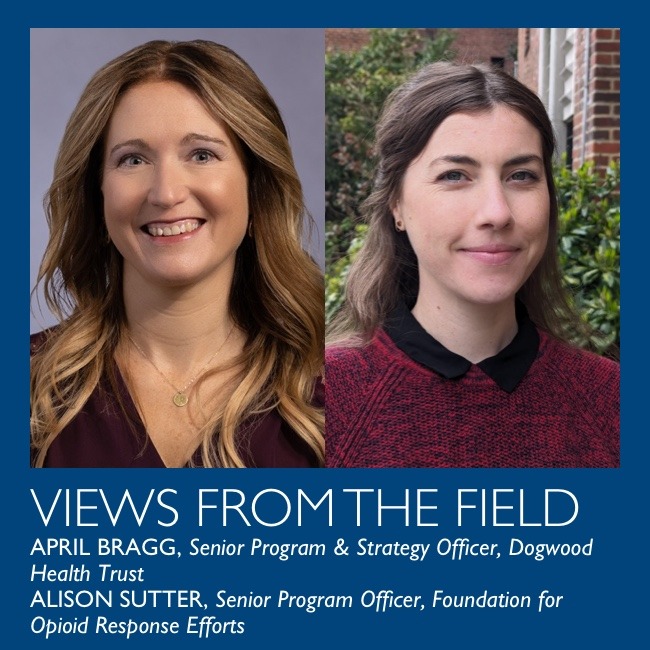
Post-Overdose Response Teams: A Community-Based Approach to Public Safety
Recent changes in the federal policy landscape have created new questions for communities working to address substance use disorder (SUD), mental health needs, and housing instability. In this evolving environment, philanthropy, in collaboration with community-based organizations and local governments, has an important role to play in supporting evidence-based responses to overdose and mental health emergencies that improve access to care, strengthen community wellbeing, and uplift public health while avoiding unnecessary criminal legal outcomes.
GIH Health Policy Update Newsletter
The Latest
An Exclusive Resource for Funding Partners
The Health Policy Update is a newsletter produced in collaboration with Leavitt Partners and Trust for America’s Health. Drawing on GIH’s policy priorities outlined in our policy agenda and our strategic objective of increasing our policy and advocacy presence, the Health Policy Update provides GIH Funding Partners with a range of federal health policy news.
GIH Announces State Grant Writing Assistance Fund Awards
GIH is pleased to announce the 11 states that received awards under the GIH State Grant Writing Assistance Fund.
Promoting Family-Centered Care for Children with Special Health Care Needs
There are approximately 10.2 million children in the United States with special health care needs, which translates into one out of every five households (MCHB 2007).
Access to Care for the Categorically Ineligible
Although the Affordable Care Act (ACA) will expand health care coverage to 32 million Americans (CBO 2010), many states remain concerned about providing their residents access to clinical and preventive services.
Educating Californians about the Affordable Care Act
he California Endowment launched a consumer education effort aimed at explaining the contents of the Affordable Care Act for one simple reason: our organization’s mission is “to expand access to affordable, quality health care for underserved individuals and communities, and to promote fundamental improvements in the health status of all Californians.”
Request for Proposals: GIH State Grant Writing Assistance Fund
GIH, with support from the Robert Wood Johnson Foundation, announces the availability of the GIH State Grant Writing Assistance Fund. The fund will provide up to $15,000 in matching funds per state to grantmakers interested in offering grant writing support to state government agencies.

Drew Altman Named 2011 Terrance Keenan Award Winner
Grantmakers In Health is pleased to announce that Drew E. Altman, Ph.D., president and CEO of The Henry J. Kaiser Family Foundation, has been named the 2011 recipient of The Terrance Keenan Leadership Award in Health Philanthropy.