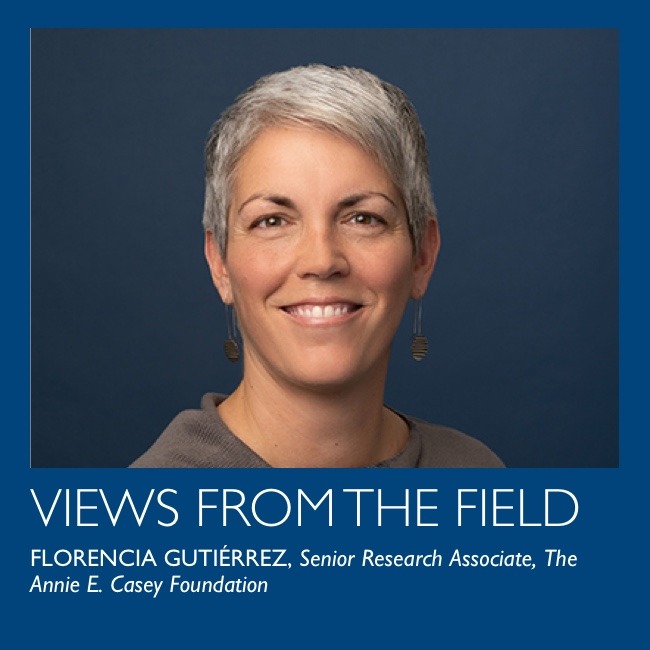
Beyond the Rankings: What Four Decades of KIDS COUNT Have Taught Me About Why Data Matter
For more than three decades, through the Annie E. Casey Foundation’s KIDS COUNT® project, decisionmakers and communities have had access to reliable national, state, and local data to improve outcomes for all children, young people, and families in this country. KIDS COUNT comprises the foundation’s national KIDS COUNT publications—the annual KIDS COUNT Data Book and periodic reports such as Race for Results; the KIDS COUNT Data Center, a resource for year-round national, state, and local data; and the KIDS COUNT Network of state-based partner organizations that help policymakers, advocates, journalists, and community leaders understand and use data to make informed decisions.
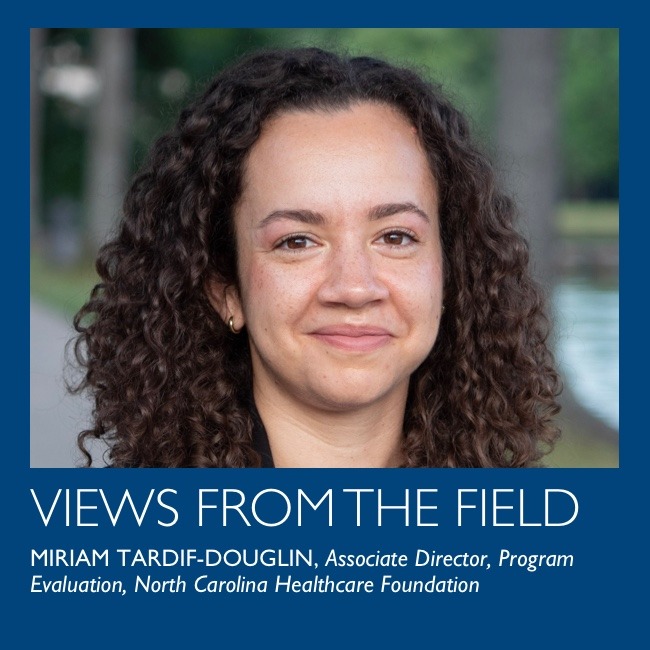
Opioid Use Disorder in Pregnancy: Countering Bias and Promoting Care
Most pregnancy-related deaths in North Carolina are preventable. Yet mental health conditions, including overdose and suicide, remain the leading cause of pregnancy-related death. For health care leaders, that reality demands a closer look at how we identify, treat, and support pregnant and postpartum patients with opioid use disorder.
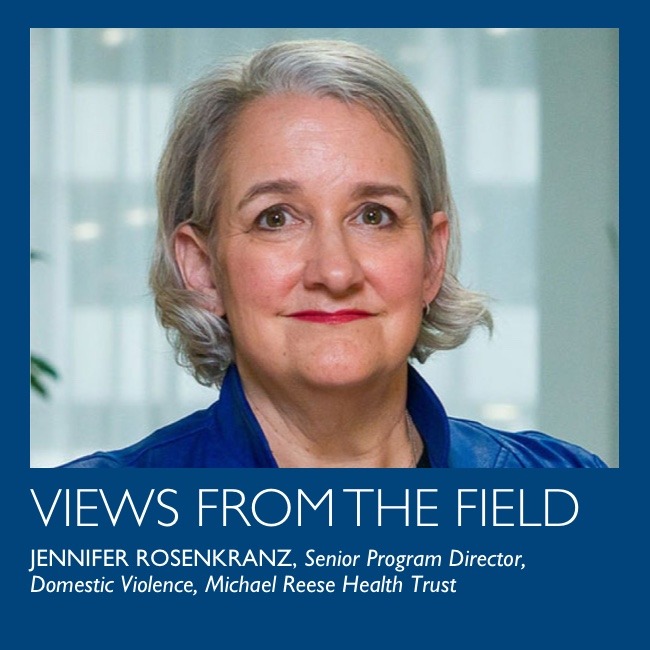
Preventing Domestic Violence by Reaching People Who Cause Harm
The research involved a landscape scan of Cook County, Illinois’ policies, funding, and services for people who cause harm with a goal of engaging the stakeholders and providers doing this work as well as survivors and those who receive services to identify barriers, challenges, and strengths of domestic violence prevention programs. The research examined Partner Abuse Intervention Programs (PAIP) in particular, a standard intervention for people who cause harm that is overseen by the Illinois Department of Human Services.
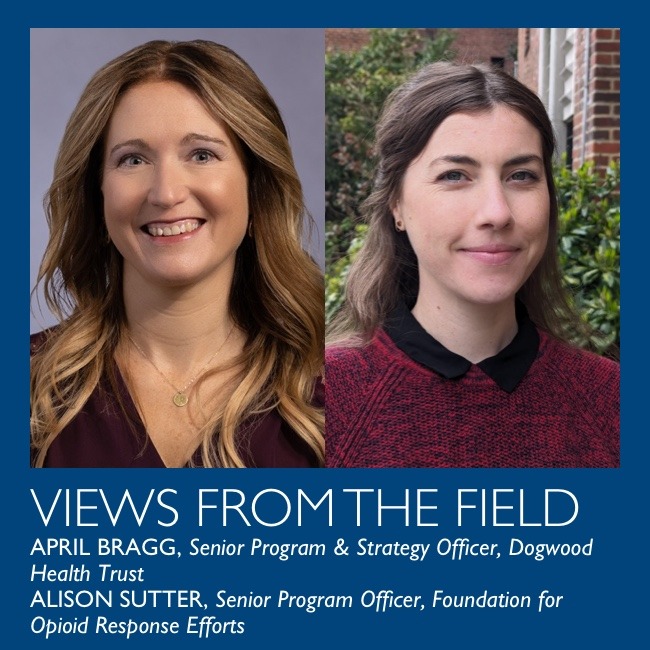
Post-Overdose Response Teams: A Community-Based Approach to Public Safety
Recent changes in the federal policy landscape have created new questions for communities working to address substance use disorder (SUD), mental health needs, and housing instability. In this evolving environment, philanthropy, in collaboration with community-based organizations and local governments, has an important role to play in supporting evidence-based responses to overdose and mental health emergencies that improve access to care, strengthen community wellbeing, and uplift public health while avoiding unnecessary criminal legal outcomes.
GIH Health Policy Update Newsletter
The Latest
An Exclusive Resource for Funding Partners
The Health Policy Update is a newsletter produced in collaboration with Leavitt Partners and Trust for America’s Health. Drawing on GIH’s policy priorities outlined in our policy agenda and our strategic objective of increasing our policy and advocacy presence, the Health Policy Update provides GIH Funding Partners with a range of federal health policy news.
GIH Announces New Board Members
Grantmakers In Health is pleased to announce the addition of Sarah Iselin, Eugene Lewit, Robin Mockenhaupt, and Steve Roling to its board of directors. Their board terms begin after the GIH Annual Meeting on Health Philanthropy, March 2-4, 2011.
Giving Voice: The Power of Grassroots Advocacy in Shaping Public Policy
Within advocacy work, there exists a wide spectrum of strategies that can be employed to change or shape public policy. Yet, too often, nonprofit health organizations tend to limit themselves to a narrow range of strategies that typically includes education, policy/data analysis, and limited legislative advocacy. While these strategies are important to public policy work, they may not be enough to influence policymakers in today’s increasingly special interest and ideological-driven political system.
Lights, Camera, Take Action: Spotlighting Public Health for the Next Generation
What do zombies, “Salad Man,” and Academy Award-nominated director Gus Van Sant have in common? They have all played a role in Northwest Health Foundation’s efforts to bring the importance of a fully functioning public health system into the hearts and minds of the people – especially the youth – of Oregon.
The Role of Philanthropy in Implementing Federal Health Reform
In March 2010 President Obama signed both the Patient Protection and Affordable Care Act and the Health Care and Education Reconciliation Act into law. These two laws will dramatically affect the health insurance system and the delivery of care in America.
Paving the Way for Change: Implementing CLASS
The historic passage of the 2010 Patient Protection and Affordable Care Act was in many ways a homerun for health advocates who have been working toward meaningful reform for decades. The new law lays the groundwork for sweeping changes in the American health care system, expanding access, coverage, and personal responsibility for care suited to individual needs.