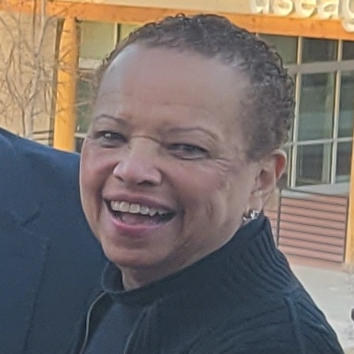
Remembering Patricia Mathews, Founding President and CEO of Northern Virginia Health Foundation
Grantmakers In Health (GIH) is saddened to learn of the recent passing of Patricia Mathews, a longtime fixture in health philanthropy and a former member of the GIH board of directors. Please join us in celebrating Patricia Mathews’ memory, as well as her many contributions to the field of health philanthropy and GIH.
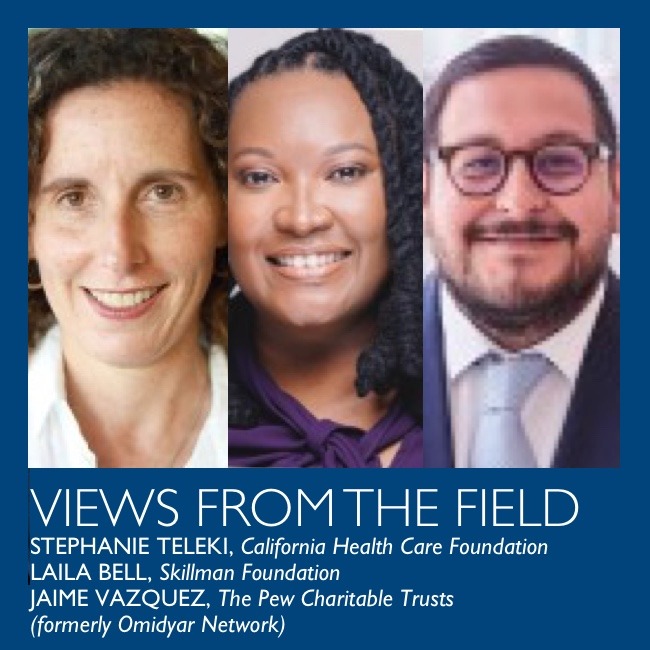
Responsible Exits: Insights from Three Funders
Grantmakers In Health’s Maya Schane spoke with Stephanie Teleki of The California Health Care Foundation, Laila Bell of The Skillman Foundation, and Jaime Vazquez of The Pew Charitable Trusts about their recently published article in The Foundation Review, “When Shift Happens: Navigating Toward a Framework for Responsible Philanthropic Exits.”

The Keys to Successful Collaboration Between a State-based Health Foundation and a National Funder Collaborative
Discussions about firearms in the US are often focused on urban gun violence and mass shootings. But firearm injury and death is a public health crisis that touches every community—urban and rural, red states and blue—and it intersects with issues many health funders care about: mental health, suicide prevention, and health equity.
GIH Health Policy Update Newsletter
The Latest
An Exclusive Resource for Funding Partners
The Health Policy Update is a newsletter produced in collaboration with Leavitt Partnersi and Trust for America’s Health. Drawing on GIH’s policy priorities outlined in our policy agenda and our strategic objective of increasing our policy and advocacy presence, the Health Policy Update provides GIH Funding Partners with a range of federal health policy news.

NY Health Foundation: January 2024
Although New York has one of the lowest veteran suicide rates in the nation, suicide remains a persistent challenge. Recent data shows that the rate has remained stubbornly high over the last 10 years despite numerous federal, State, and local investments in prevention efforts. A new NYHealth Foundation snapshot shows trends from 2012–2021, using the latest available data.
The Blue Cross Blue Shield Foundation of Massachusetts: January 2024
Blue Cross Blue Shield Foundation of Massachusetts partnered with Manatt Health to develop a vision, framework, and proposed statewide Health Equity Action Plan that offers an organizing structure, process, and set of practical steps for collectively achieving a racially and ethnically equitable health care delivery system in Massachusetts.
Blue Shield of California Foundation: January 2024
Lack of paid family caregiving and medical leave policy at the national level makes the United States a global outlier. In the absence of a national guarantee, more than a dozen states have passed and implemented necessary paid family and medical leave.

Philanthropy @ Work – Grants and Programs – January 2024
The latest on grants and programs from the field.