Submit a Session Proposal for the 2027 GIH Annual Conference on Health Philanthropy
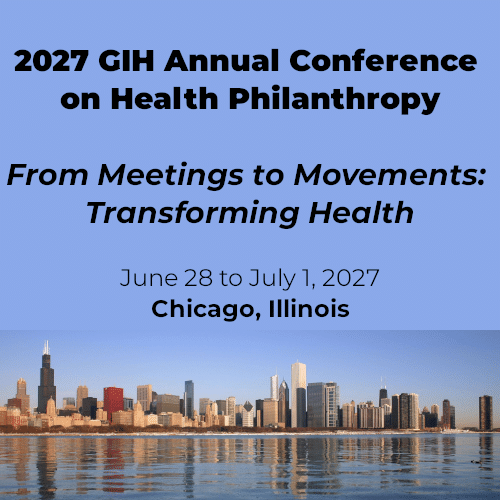
We invite you to submit a session proposal for the 2027 Grantmakers In Health (GIH) Annual Conference on Health Philanthropy, From Meetings to Movements: Transforming Health, which will be held in person in Chicago, Illinois, from June 28 to July 1, 2027. From Meetings to Movements: Transforming Health Forty-five years ago, a small group of…
Make Connections to Create a Movement for Rural Health
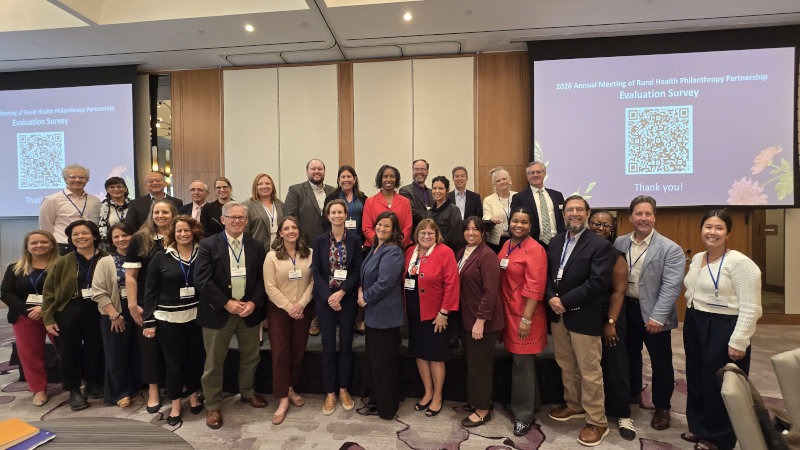
On Thursday, September 24, the Annual Meeting of the Rural Health Philanthropy Partnership kicked off in downtown Bethesda, MD. Selected highlights from the convening’s first day setting the stage for a full day of sessions and networking opportunities centered on how collaboration can build on progress already underway in rural and tribal communities, including rural health transformation efforts.

NJ SNIP: Supporting Behavioral Health Access Through Trust-based Grantmaking
Amid shifting federal health care funding, grants that enable health care safety net entities to respond to the changing landscape can unlock immense value. This form of grantmaking puts daily program-related decisions in the hands of people doing the work, allowing organizations to develop and sustain staff positions, workflows, and programs that reflect their priorities.

Leaning Into Radical Collaboration Will Advance Your Focused Mission
At this year’s GIH annual conference, I found myself surrounded by hundreds of philanthropic leaders deeply committed to improving the health and well-being of their communities. Again and again, I met funders whose work was grounded in a particular place, population, or issue. These funders know their communities intimately. They understand local history, relationships, and the needs of their communities. Their focus is one of their greatest strengths.
GIH Health Policy Update Newsletter
An Exclusive Resource for Funding Partners
The Health Policy Update is a newsletter produced in collaboration with Leavitt Partners and Trust for America’s Health. Drawing on GIH’s policy priorities outlined in our policy agenda and our strategic objective of increasing our policy and advocacy presence, the Health Policy Update provides GIH Funding Partners with a range of federal health policy news.
A New Generation of Researchers: Hearing from Youth Leaders on Their Well-Being
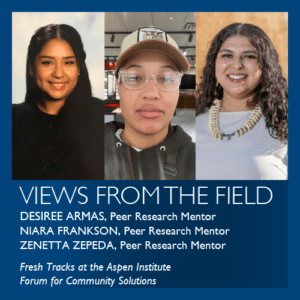
Building upon a previous conversation with Juan Martinez of the Aspen Institute and Cynthia Weaver of The Annie E. Casey Foundation on their collaboration on the Youth and Young Adult Well-Being project, the following Q&A features three paid youth consultants who are leading the research initiative as the Youth and Young Adult Well-Being core team. Each team member represents a different cultural affinity group in the well-being project: Desiree Armas from Latine Bienestar, Niara Frankson from Black Expressions of Well-Being, and Zenetta Zepeda from American Indian/Alaska Native.
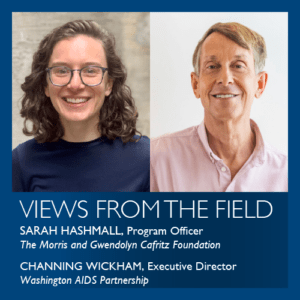
Lessons from the Washington AIDS Partnership: How to Take Big Risks and Move Quickly to Drive Change
The Washington AIDS Partnership, a collaboration of grantmaking organizations with a mission of ending the HIV epidemic in the Greater Washington region, was founded in 1988 with the support of the Ford Foundation and 20 DC-area foundations. The organization’s charge was to make grants to the community as quickly as possible. At that time, Washington, DC had the fifth-highest HIV rate in the country, and the epidemic was out of control. As the city has made great progress reaching goals set in the DC Ends HIV Plan, the Washington AIDS Partnership determined in 2023 that its role in the fight to end the local epidemic was coming to an end. The organization will officially conclude its work in the first quarter of 2024.

Leading Boldly, Building Trust: Lessons from a Community-Driven Strategic Planning Process
The Horizon Foundation of Howard County, Maryland believes that everyone in our community deserves to live abundant and healthy lives. But there are barriers standing in the way of some of our residents—particularly people of color—from achieving that vision. We know that for too long, inequitable laws, policies, and practices have held back many of our neighbors. The Foundation recently completed a 14-month long strategic planning process to figure out how to address these systemic barriers in a way that centers the voices of our community members who are most impacted. We realized that our work—what we focus on, who we engage with, and how we make decisions—needed to fundamentally change.

CareQuest Institute for Oral Health: March 2024
CareQuest Institute for Oral Health released a new report titled The Hour of Need: Productivity Time Lost Due to Urgent Oral Health Needs, which found that adults 18 and older in the US lose more than 243 million work or school hours annually due to oral health problems.
Milbank Memorial Fund: March 2024
The Milbank Memorial Fund released The Health of US Primary Care: 2024 Scorecard Report — No One Can See You Now, which measures the health of primary care by accessibility, investments and financing, workforce, and research. The report includes state-by-state data and policy recommendations.
Bob Woodruff Foundation: March 2024
The Bob Woodruff Foundation released a new report, The Got Your 6 Network: Quantifying and Addressing Veterans’ Needs in 2023, with results from a survey of 130 veteran-serving organizations on the needs of service members, veterans, and their families and caregivers.