
NJ SNIP: Supporting Behavioral Health Access Through Trust-based Grantmaking
Amid shifting federal health care funding, grants that enable health care safety net entities to respond to the changing landscape can unlock immense value. This form of grantmaking puts daily program-related decisions in the hands of people doing the work, allowing organizations to develop and sustain staff positions, workflows, and programs that reflect their priorities.
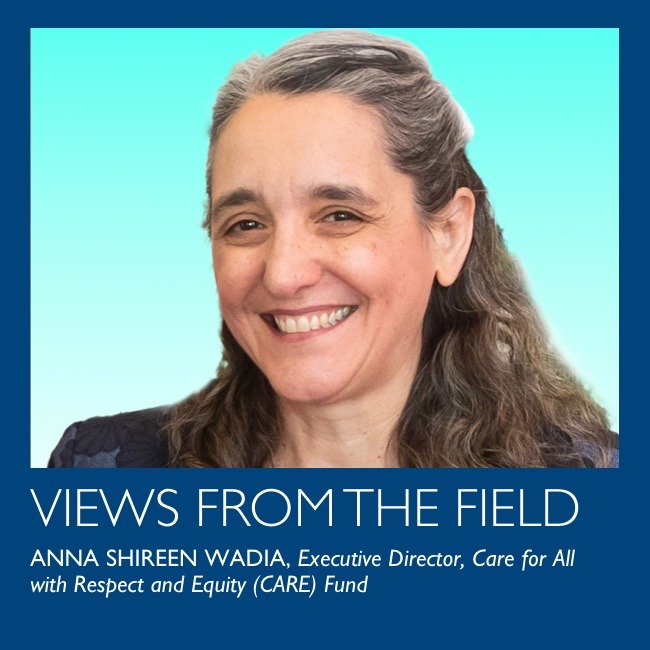
Leaning Into Radical Collaboration Will Advance Your Focused Mission
At this year’s GIH annual conference, I found myself surrounded by hundreds of philanthropic leaders deeply committed to improving the health and well-being of their communities. Again and again, I met funders whose work was grounded in a particular place, population, or issue. These funders know their communities intimately. They understand local history, relationships, and the needs of their communities. Their focus is one of their greatest strengths.
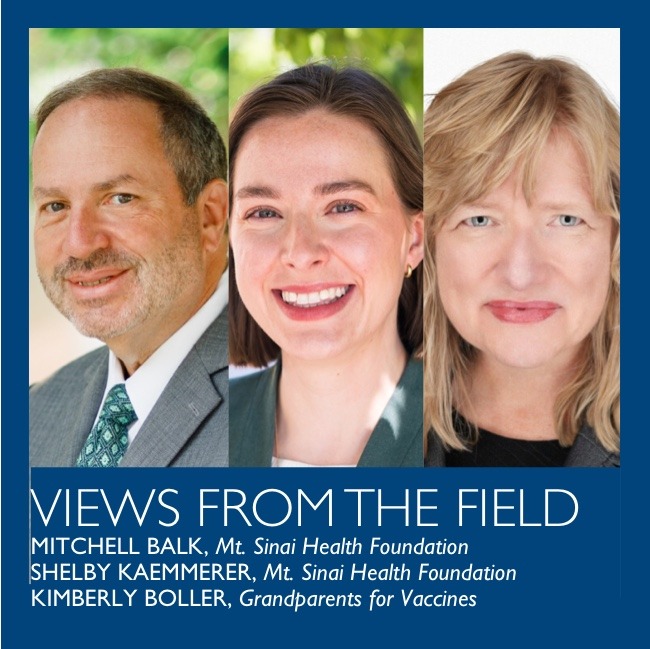
Changing the Vaccine Conversation Before It’s Too Late—What Can Philanthropy Do?
In July 2026, the United States reached a grim milestone when the number of confirmed cases of measles exceeded the total for all of 2025. On August 10, 2026, the White House issued an executive order directing changes to the federal childhood vaccine schedule and categories, and calls for availability of separate measles, mumps, and rubella vaccines. The science has not changed, but the new framework could significantly slow down the delivery of protective immunizations from these serious diseases.

Community Focused Strategies to Improve Health in West Baltimore
For far too long, residents of west Baltimore have faced continuous uphill battles to access basic amenities, services, jobs, and quality of life. Racism, redlining, eminent domain, disinvestment, school closures, poverty, violent crime, chronic health conditions, failed affordable housing, and the outmigration of businesses and residents have left behind vacant housing and dilapidated commercial corridors. These challenges result in a 17-year difference in life expectancy between residents of west Baltimore neighborhoods compared to other parts of the city.
GIH Health Policy Update Newsletter
An Exclusive Resource for Funding Partners
The Health Policy Update is a newsletter produced in collaboration with Leavitt Partners and Trust for America’s Health. Drawing on GIH’s policy priorities outlined in our policy agenda and our strategic objective of increasing our policy and advocacy presence, the Health Policy Update provides GIH Funding Partners with a range of federal health policy news.
Opportunities to Engage on the 2024 Reauthorization of the Older Americans Act
First signed into law in 1965, the Older Americans Act (OAA) provides critical services that address the social drivers of health for older adults such as nutrition, transportation, senior centers, elder rights protections, caregiver support, and health promotion. If the OAA is not reauthorized, it is set to expire on September 30, 2024. Grantmakers In…
GIH Signs Organizational Commitment to Thrive Through Civic Health Initiative
GIH has signed an organizational commitment to the Thrive through Civic Health: We Will Vote initiative. The focus of the Initiative is to implement a health sector strategy to build awareness, commitment, and momentum and increase voter participation of health sector workers.

Philanthropy’s Impact on Health Care Systems: Supporting the Creation of a Community-Health Worker-Based Chronic Care Management Model in Appalachia
Guided by its mission of “helping people help themselves,” the Claude Worthington Benedum Foundation strategically invests in the creative problem-solving activities of local communities and individuals. For the past decade, the Benedum Foundation has accomplished this mission in its support of a particular health care delivery model: efficient chronic disease management through a medical model leveraging the skills of community health workers in Appalachia. This model provides unique patient care, has shown success for improving the health conditions of a target population, and reduced health care costs—accomplishments that align with the Institute of Health Improvement’s Triple Aim framework.
Engaging Youth to Guide Research on Their Own Well-Being
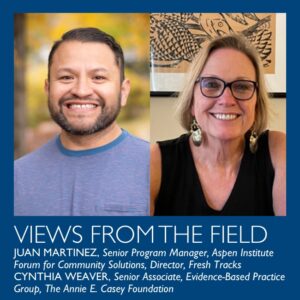
In 2019, the Annie E. Casey Foundation’s Equity and Inclusion unit hosted a convening with young people from Black, Latinx, and American Indian/Alaska Native (AIAN) cultural affinity groups, along with adults who support the work and leadership of these youth and young adults. The young participants, many of whom were from the Aspen Institute’s Fresh Tracks program, expressed the need for young leaders to be the ones defining youth well-being and finding solutions that help their own communities support the well-being of young people.

Connecting Mental Health and Wealth in North Carolina
Mental health and wealth are inextricably linked, influencing each other bidirectionally. While many factors contribute to mental health, we know from the social determinants of health that the most foundational are socioeconomic, including income, wealth, and safe neighborhoods. Asset Funders Network defines wealth in an assets-to-debt ratio.

A Compass of Indispensable Leadership Attributes to Guide Health Philanthropy
Trends in leadership are changing—just take the Terrance Keenan Institute as an example. When the program started in 2010, it focused on general leadership tactics with topics that ranged from leveraging resources and building partnerships to board dynamics. Since then, the Institute’s curriculum has moved towards a recognition that leaders possess individual strengths that can be embraced to make our organizations and the broader field of health philanthropy more effective.