

Getting in Formation: Working Together to Build Healthy Communities
From breakout sessions to quick takes and wellness activities to two inspiring plenary sessions, every corner during day two of the Grantmakers In Health (GIH) Annual Conference on Health Philanthropy, Life, Liberty, and the Pursuit of Health was filled with conversation and connection. The day’s agenda focused on how funders can find and use their voices to stand up in this moment of change, including doubling down on their values; taking bigger, bolder risks alongside grantees; and seeking partnerships spanning the private and public sectors.
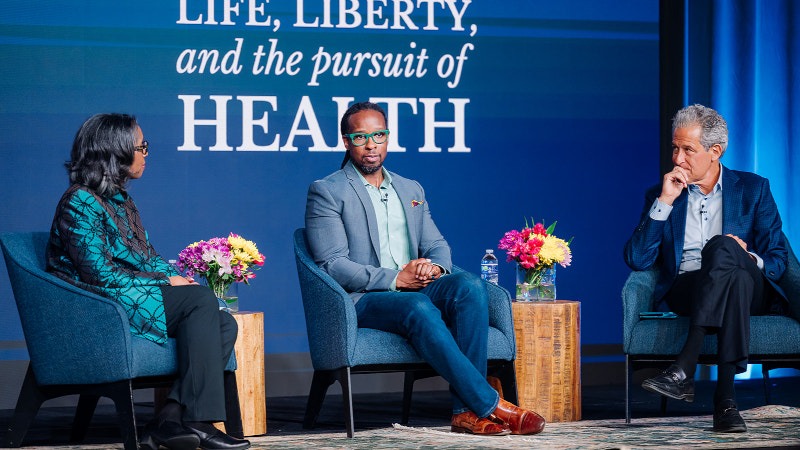
Life, Liberty, and the Pursuit of Health in Action
Life, Liberty, and the Pursuit of Health is more than this year’s Annual Conference on Health Philanthropy theme; it is the foundation for every planned session, unexpected learning moment, and conversation in Baltimore from June 8-11. The pre-conference kicked off with a range of discussions centered on the theme, including the state of Medicaid after H.R. 1, the connection between democracy and better health outcomes, and collaborations in public health funding.
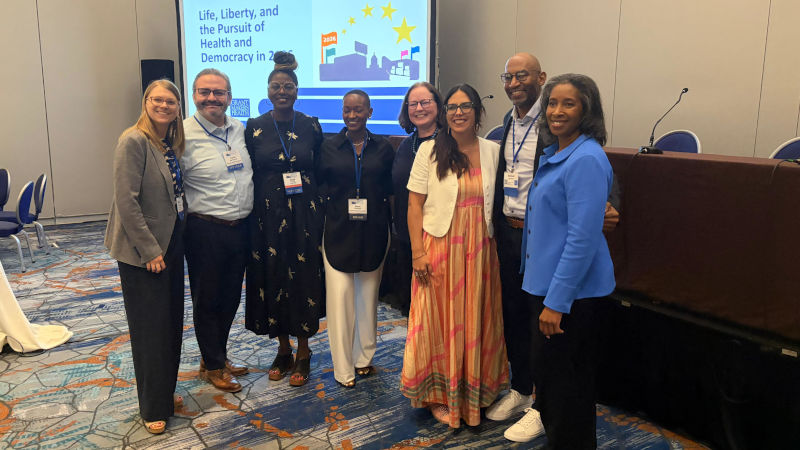
Health Philanthropy Working at the Intersections Between Critical Issues
Life, Liberty, and the Pursuit of Health is more than this year’s Annual Conference on Health Philanthropy theme; it is the foundation for every planned session, unexpected learning moment, and conversation in Baltimore from June 8-11. The pre-conference kicked off with a range of discussions centered on the theme, including the state of Medicaid after H.R. 1, the connection between democracy and better health outcomes, and collaborations in public health funding.
GIH Health Policy Update Newsletter
The Latest
An Exclusive Resource for Funding Partners
The Health Policy Update is a newsletter produced in collaboration with Leavitt Partners and Trust for America’s Health. Drawing on GIH’s policy priorities outlined in our policy agenda and our strategic objective of increasing our policy and advocacy presence, the Health Policy Update provides GIH Funding Partners with a range of federal health policy news.

Philanthropy @ Work – Grants and Programs – August 2022
The latest on grants and programs from the field.
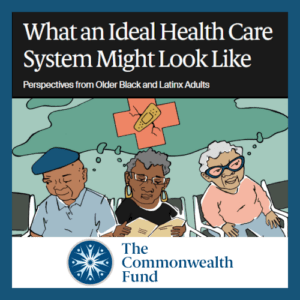
What an Ideal Health Care System Might Look Like: Perspectives from Older Black and Latinx Adults
A new research publication from The Commonwealth Fund, “What an Ideal Health Care System Might Look Like: Perspectives from Older Black and Latinx Adults,” examines what health care should do to better respect people’s identities, health needs, and preferences.
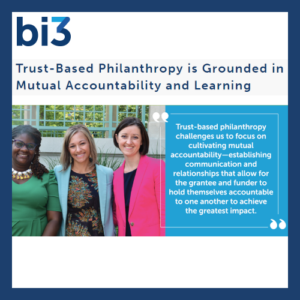
bi3 Article: Trust-Based Philanthropy is Grounded in Mutual Accountability and Learning
A new article shows how applying a trust-based philanthropy lens helps funders capture the full impact of grants, describes how bi3 evaluates initiatives, and how building funder-grantee relationships grounded in power-sharing, transparency, and mutual accountability helps achieve greater impact.

2022 Call for GIH Board Nominations
Grantmakers In Health (GIH), an educational organization serving staff, executives, and trustees of foundations and corporate giving programs working in the health field, is seeking nominations for its board of directors for terms beginning in March 2023.
2022 Terrance Keenan Institute Fellows Named
GIH is delighted to announce the 2022 Terrance Keenan Institute for Emerging Leaders in Health Philanthropy class of fellows.