
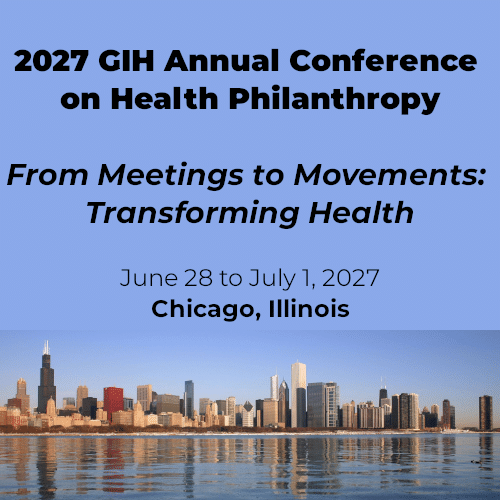
Submit a Session Proposal for the 2027 GIH Annual Conference on Health Philanthropy
We invite you to submit a session proposal for the 2027 Grantmakers In Health (GIH) Annual Conference on Health Philanthropy, From Meetings to Movements: Transforming Health, which will be held in person in Chicago, Illinois, from June 28 to July 1, 2027. From Meetings to Movements: Transforming Health Forty-five years ago, a small group of…
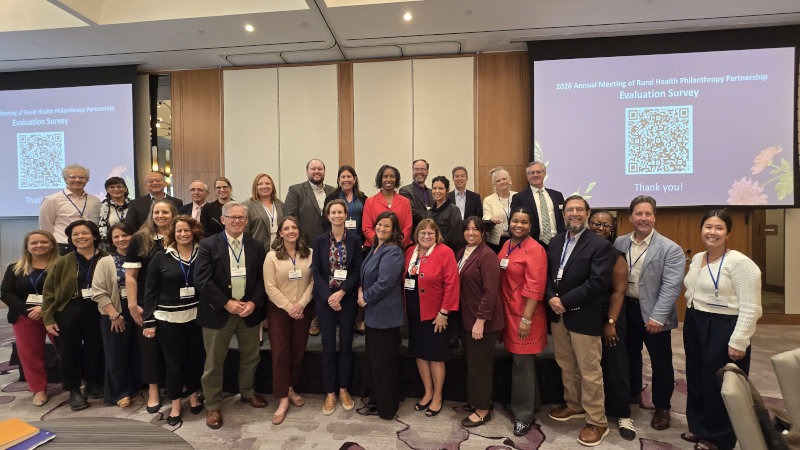
Make Connections to Create a Movement for Rural Health
On Thursday, September 24, the Annual Meeting of the Rural Health Philanthropy Partnership kicked off in downtown Bethesda, MD. Selected highlights from the convening’s first day setting the stage for a full day of sessions and networking opportunities centered on how collaboration can build on progress already underway in rural and tribal communities, including rural health transformation efforts.

NJ SNIP: Supporting Behavioral Health Access Through Trust-based Grantmaking
Amid shifting federal health care funding, grants that enable health care safety net entities to respond to the changing landscape can unlock immense value. This form of grantmaking puts daily program-related decisions in the hands of people doing the work, allowing organizations to develop and sustain staff positions, workflows, and programs that reflect their priorities.

Leaning Into Radical Collaboration Will Advance Your Focused Mission
At this year’s GIH annual conference, I found myself surrounded by hundreds of philanthropic leaders deeply committed to improving the health and well-being of their communities. Again and again, I met funders whose work was grounded in a particular place, population, or issue. These funders know their communities intimately. They understand local history, relationships, and the needs of their communities. Their focus is one of their greatest strengths.
GIH Health Policy Update Newsletter
An Exclusive Resource for Funding Partners
The Health Policy Update is a newsletter produced in collaboration with Leavitt Partners and Trust for America’s Health. Drawing on GIH’s policy priorities outlined in our policy agenda and our strategic objective of increasing our policy and advocacy presence, the Health Policy Update provides GIH Funding Partners with a range of federal health policy news.

Philanthropy @ Work – Grants and Programs – May 2026
The latest on grants and programs from the field.

Healthier Information Ecosystems: Strategies for Health Philanthropy
Our information environment is transforming—including the places and people who help us make decisions about our health. Those health information ecosystems are fragmented; filled with information from a wide range of expertise and sources; and platform algorithms exert tremendous and unseen control over what messages are seen, shared, and amplified. These changes have many of our traditional health information sources racing to learn new skills to ensure they remain trusted and relevant.

Beyond Innovation: How Philanthropy Can Strengthen Systems to Improve Rural Health Outcomes
Sometimes innovation in philanthropy is associated with breakthrough technologies or new medical discoveries. But some of the most impactful investments fund something less visible: the coordination of people, protocols, and institutions already in place so they work together seamlessly to save lives.

A Philanthropic Tree of Life: Seeding Health Equity through Influence and Innovation
Philanthropy can function as a living ecosystem for change rooted in equity, nourished by trust, and bearing the fruits of community well-being. The Direct Relief Fund for Health Equity (DRFHE), launched with $50 million in initial investments, exemplifies a transformative philanthropic model supporting nearly 200 community-based organizations across the United States. Acknowledging DRFHE as a “Tree of Life” offers a framework grounded in community-led, trust-based, and unrestricted giving that challenges traditional philanthropic paradigms. Therefore, this article describes the fund’s origins, strategic priorities, and outcomes, and introduces the DRFHE Tree of Life framework as a replicable model for equity-driven philanthropy.