
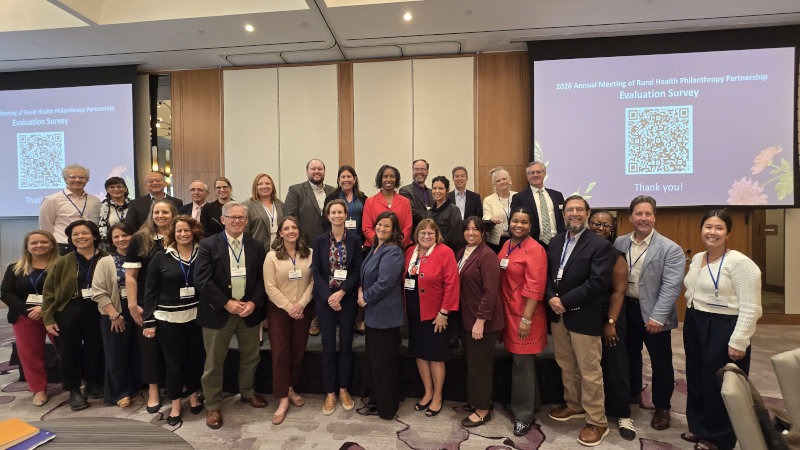
Make Connections to Create a Movement for Rural Health
On Thursday, September 24, the Annual Meeting of the Rural Health Philanthropy Partnership kicked off in downtown Bethesda, MD. Selected highlights from the convening’s first day setting the stage for a full day of sessions and networking opportunities centered on how collaboration can build on progress already underway in rural and tribal communities, including rural health transformation efforts.

NJ SNIP: Supporting Behavioral Health Access Through Trust-based Grantmaking
Amid shifting federal health care funding, grants that enable health care safety net entities to respond to the changing landscape can unlock immense value. This form of grantmaking puts daily program-related decisions in the hands of people doing the work, allowing organizations to develop and sustain staff positions, workflows, and programs that reflect their priorities.

Leaning Into Radical Collaboration Will Advance Your Focused Mission
At this year’s GIH annual conference, I found myself surrounded by hundreds of philanthropic leaders deeply committed to improving the health and well-being of their communities. Again and again, I met funders whose work was grounded in a particular place, population, or issue. These funders know their communities intimately. They understand local history, relationships, and the needs of their communities. Their focus is one of their greatest strengths.
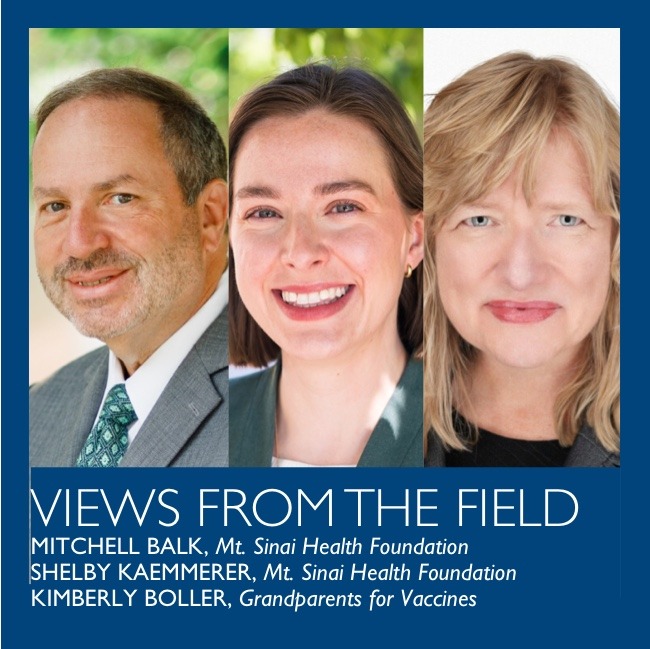
Changing the Vaccine Conversation Before It’s Too Late—What Can Philanthropy Do?
In July 2026, the United States reached a grim milestone when the number of confirmed cases of measles exceeded the total for all of 2025. On August 10, 2026, the White House issued an executive order directing changes to the federal childhood vaccine schedule and categories, and calls for availability of separate measles, mumps, and rubella vaccines. The science has not changed, but the new framework could significantly slow down the delivery of protective immunizations from these serious diseases.
GIH Health Policy Update Newsletter
An Exclusive Resource for Funding Partners
The Health Policy Update is a newsletter produced in collaboration with Leavitt Partners and Trust for America’s Health. Drawing on GIH’s policy priorities outlined in our policy agenda and our strategic objective of increasing our policy and advocacy presence, the Health Policy Update provides GIH Funding Partners with a range of federal health policy news.
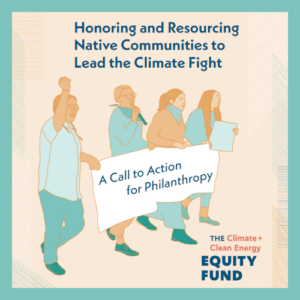
Honoring and Resourcing Native Communities to Lead the Climate Fight
The Climate and Clean Energy Equity Fund recently released Honoring and Resourcing Native Communities to Lead the Climate Fight: A Call to Action for Philanthropy report and accompanying blog post. While Indigenous Peoples are on the frontlines of climate change, they face significant barriers to philanthropic support.
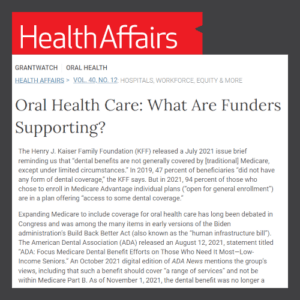
Oral Health Care: What Are Funders Supporting?
A recent edition of Health Affairs’ “GrantWatch” blog outlined key oral health policy issues and provided an update on recent foundation grants in oral health. Several GIH Funding Partners are featured.
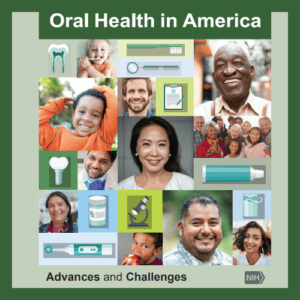
Oral Health in America: Advances and Challenges
A new report from the National Institutes of Health provides a road map on how to improve the nation’s oral health. Released by NIH’s National Institute of Dental and Craniofacial Research (NIDCR), the report emphasizes the importance of oral health, and challenges to the creation of more equitable access to oral health services. Potential roles for health philanthropy are highlighted including grantmaking and policy engagement regarding insurance access, community health education, and school-based dental services.
AHRQ Releases Annual Update on U.S. Healthcare Quality, Disparities
The Agency for Healthcare Research and Quality has released its National Healthcare Quality and Disparities Report, which details the state of healthcare quality and disparities in the United States. The report identifies improvements in HIV and colon cancer care, nursing home care, and medication prescribing to older adults. The report also indicates that more work needs to be done to address disparities in important areas. Among the findings, dental and oral health care services have not substantially improved, particularly for people with low income or who live in rural areas.
Reimagining A Quality Information System For US Health Care
Recommendations include: a national data infrastructure that operates independent of practice setting; aligned multipayer incentives that support needed infrastructure investments; longitudinal patient-reported outcome measures captured both in-clinic and through mobile technologies; a series of robust regional demonstration projects to broaden stakeholder understanding and technical capability; and a governance mechanism that assures both simplification and alignment of methods.