
Make Connections to Create a Movement for Rural Health
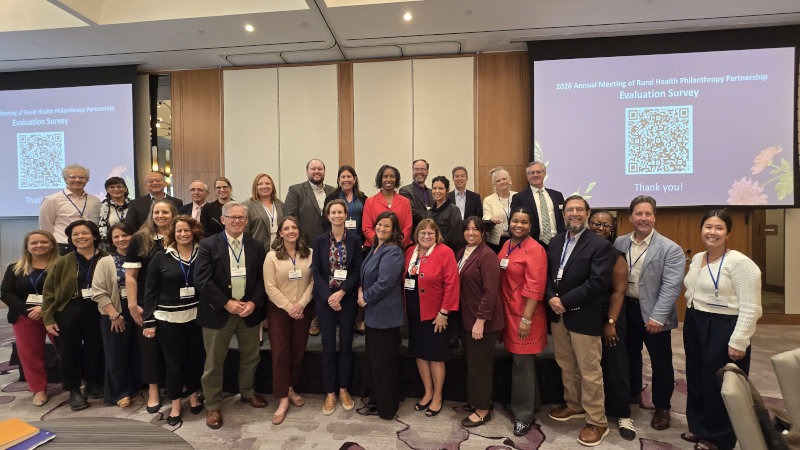
On Thursday, September 24, the Annual Meeting of the Rural Health Philanthropy Partnership kicked off in downtown Bethesda, MD. Selected highlights from the convening’s first day setting the stage for a full day of sessions and networking opportunities centered on how collaboration can build on progress already underway in rural and tribal communities, including rural health transformation efforts.

NJ SNIP: Supporting Behavioral Health Access Through Trust-based Grantmaking
Amid shifting federal health care funding, grants that enable health care safety net entities to respond to the changing landscape can unlock immense value. This form of grantmaking puts daily program-related decisions in the hands of people doing the work, allowing organizations to develop and sustain staff positions, workflows, and programs that reflect their priorities.

Leaning Into Radical Collaboration Will Advance Your Focused Mission
At this year’s GIH annual conference, I found myself surrounded by hundreds of philanthropic leaders deeply committed to improving the health and well-being of their communities. Again and again, I met funders whose work was grounded in a particular place, population, or issue. These funders know their communities intimately. They understand local history, relationships, and the needs of their communities. Their focus is one of their greatest strengths.

Changing the Vaccine Conversation Before It’s Too Late—What Can Philanthropy Do?
In July 2026, the United States reached a grim milestone when the number of confirmed cases of measles exceeded the total for all of 2025. On August 10, 2026, the White House issued an executive order directing changes to the federal childhood vaccine schedule and categories, and calls for availability of separate measles, mumps, and rubella vaccines. The science has not changed, but the new framework could significantly slow down the delivery of protective immunizations from these serious diseases.
GIH Health Policy Update Newsletter
An Exclusive Resource for Funding Partners
The Health Policy Update is a newsletter produced in collaboration with Leavitt Partners and Trust for America’s Health. Drawing on GIH’s policy priorities outlined in our policy agenda and our strategic objective of increasing our policy and advocacy presence, the Health Policy Update provides GIH Funding Partners with a range of federal health policy news.
How does cost affect access to care?
In this chart collection, authors from the Peterson-Kaiser Family Foundation Health System Tracker explore trends in how costs affect access to care in the U.S. based on the National Health Interview Survey data through 2020. Health spending per person in the U.S. averaged almost $12,000 in 2020, nearly double the average in other large high-income countries.

Planning for the End of the Continuous Coverage Requirement: A Communications Toolkit for States
The end of the Medicaid continuous coverage requirement presents states with tremendous opportunities to keep individuals enrolled in health coverage. This toolkit provides a communications planning guide and template communications resources designed to support state Medicaid agencies as they prepare for the upcoming end of the continuous coverage requirement.

What Eliminating Barriers to Interstate Telehealth Taught Us During the Pandemic
Early in the COVID-19 pandemic, nearly all states and the federal government approved unprecedented flexibilities that significantly aided the response to the crisis by expanding telehealth, bolstering care in underserved areas, increasing access to mental health services, and importantly, providing some relief for overstressed hospitals and health systems losing health care workers. Now, as temporary waivers in most states are expiring, this publication describes opportunities to apply lessons learned to bring long-term benefits to the health care system.
The Effectiveness of Policies to Improve Primary Care Access for Underserved Populations
This report reviews the research literature to assess the evidence supporting whether policy initiatives targeting primary care access in each of these five dimensions have been effective in reducing health care disparities. The policy initiatives considered vary widely in terms of the decisionmakers best suited to implement them and therefore require multi-sector collaborative solutions to improve access to primary care in underserved areas.
Mindfulness and Healing Justice
The Kataly Foundation’s Mindfulness and Healing Justice program hosted a discussion with grantee partners to explore the connections between healing, collective transformation, and power-building. The conversation highlighted the need to meaningfully resource mindfulness and healing justice work led by Black and Indigenous people and all communities of color.
Realizing Parity, Reducing Stigma, and Raising Awareness
The Department of Health & Human Services, Department of Labor, and Department of the Treasury have released the 2022 Mental Health Parity and Addiction Equity Act report to Congress. The new report provides updates on compliance, enforcement, and consumer protection efforts.