
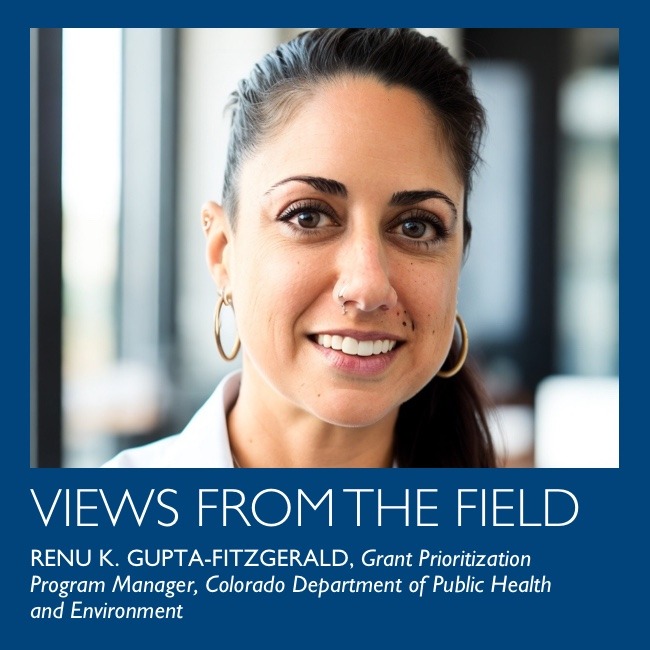
Funding Without Alignment Is Just Spending: Colorado’s Model for Alignment to Maximize Impacts on Youth Well-being
Public funding for youth well-being isn’t lacking in effort or investment. But when dollars move through disconnected systems, even the best intentions can fail to translate into meaningful outcomes. What if the challenge isn’t how much we fund, but how those investments work together? Colorado is testing a different approach: aligning funding, data, and strategy across agencies so that public dollars can operate as a more coordinated system rather than a collection of parallel but sometimes siloed efforts.

Blue Cross Blue Shield of Massachusetts: October 2025
This new report “Behavioral Health Professional Licensure in Massachusetts: Existing Barriers and Opportunities to Advance Diversity in the Workforce” documents the licensing requirements for behavioral health providers in Massachusetts, describes the barriers to licensure for clinicians from underrepresented populations, and outlines potential solutions.
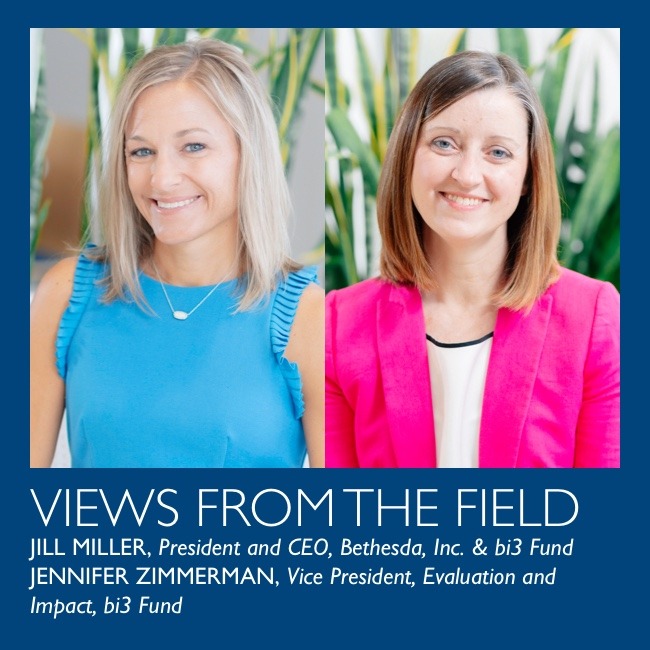
To Improve Youth Mental Health, Funders Must Center Youth Voices
As youth mental health challenges continue to grow nationwide, a new initiative in Greater Cincinnati believes transformational change begins when youth are empowered to lead.
Georgia Health Initiative: September 2025
A new report, “Progress Towards Vitality: A 10-Year Retrospective Analysis of Systems Focused Efforts to Improve Maternal Health in Georgia,” analyzes a subset of recommendations put forward by the Georgia Maternal Mortality Review Committee (MMRC) and the Georgia House Study Committee on Maternal Mortality to improve maternal mental health in the state.
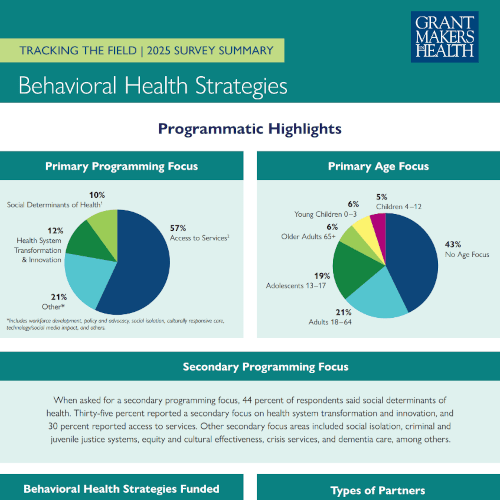
Behavioral Health Strategies
GIH conducted a survey in late 2024 on funder engagement in behavioral health. This fact sheet, based on a sample of 139 health funders, summarizes the current trends, gaps, successes and challenges for funders. It also highlights philanthropy’s continued commitment to behavioral health while also signaling concern about the upcoming funding environment.