

NJ SNIP: Supporting Behavioral Health Access Through Trust-based Grantmaking
Amid shifting federal health care funding, grants that enable health care safety net entities to respond to the changing landscape can unlock immense value. This form of grantmaking puts daily program-related decisions in the hands of people doing the work, allowing organizations to develop and sustain staff positions, workflows, and programs that reflect their priorities.

Hogg Foundation for Mental Health: September 2026
The Hogg Foundation for Mental Health is seeking two young adult leaders to join its National Advisory Council. The council advises the foundation on its work and includes members with expertise in psychiatry, community health, peer support, social work, sociology, philanthropy, public policy, and law, as well as people with lived experience of mental health conditions.

Opioid Use Disorder in Pregnancy: Countering Bias and Promoting Care
Most pregnancy-related deaths in North Carolina are preventable. Yet mental health conditions, including overdose and suicide, remain the leading cause of pregnancy-related death. For health care leaders, that reality demands a closer look at how we identify, treat, and support pregnant and postpartum patients with opioid use disorder.
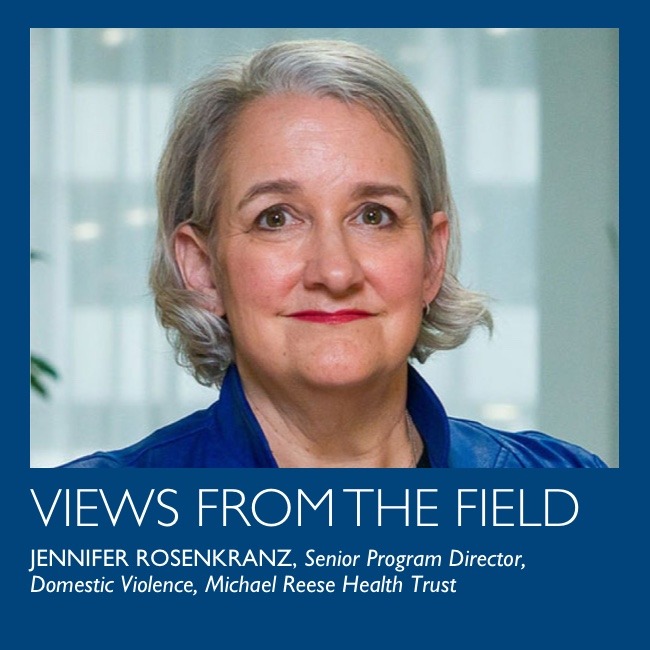
Preventing Domestic Violence by Reaching People Who Cause Harm
The research involved a landscape scan of Cook County, Illinois’ policies, funding, and services for people who cause harm with a goal of engaging the stakeholders and providers doing this work as well as survivors and those who receive services to identify barriers, challenges, and strengths of domestic violence prevention programs. The research examined Partner Abuse Intervention Programs (PAIP) in particular, a standard intervention for people who cause harm that is overseen by the Illinois Department of Human Services.
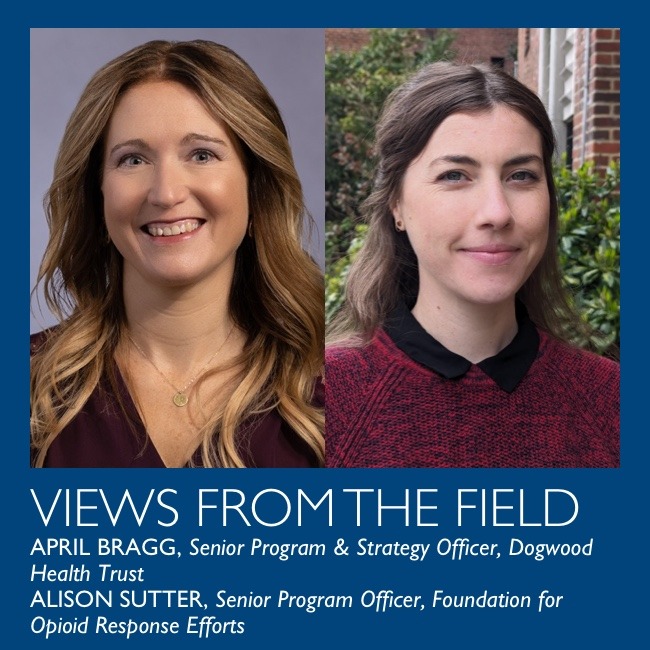
Post-Overdose Response Teams: A Community-Based Approach to Public Safety
Recent changes in the federal policy landscape have created new questions for communities working to address substance use disorder (SUD), mental health needs, and housing instability. In this evolving environment, philanthropy, in collaboration with community-based organizations and local governments, has an important role to play in supporting evidence-based responses to overdose and mental health emergencies that improve access to care, strengthen community wellbeing, and uplift public health while avoiding unnecessary criminal legal outcomes.