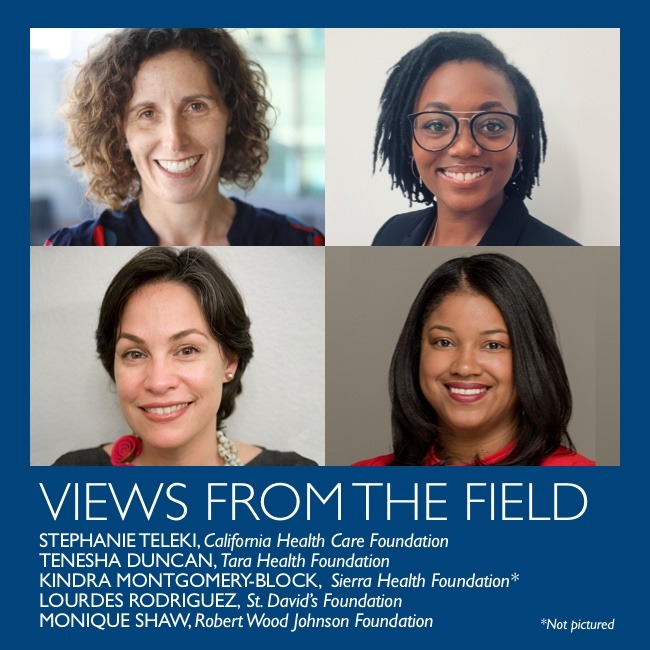
Moving the Needle on Black Birth Equity – A Call to Action
Philanthropy has an urgent responsibility and opportunity to address the structural factors leading to birth inequities. Healthier pregnancies, labors, and postpartum recoveries not only benefit birthing individuals, but also result in healthier children and families. Focusing attention on those who need it most could have positive implications for entire communities harmed by systemic racism for future generations. There is much work to do, but not enough philanthropic organizations are supporting these issues to tackle them at scale. We need all hands-on deck to truly move the needle. We five funders— from different states and coming to this issue from different angles—are reaching out to our fellow funders with a call to action to join us to in this work.
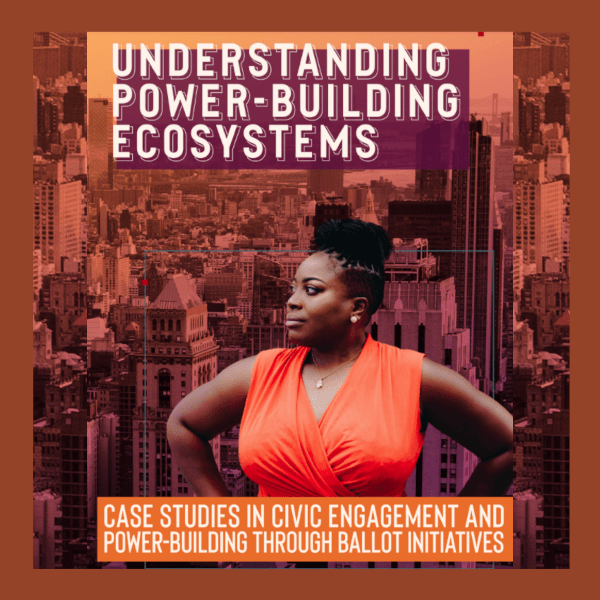
Understanding Power Building Ecosystems
This study offers analysis of the conditions and strategies that enhance or stymie power-building in relation to three ballot initiative issues, each of which has the potential to improve community health outcomes: Affordable Housing, Medicaid Expansion, Criminal Justice Reform.
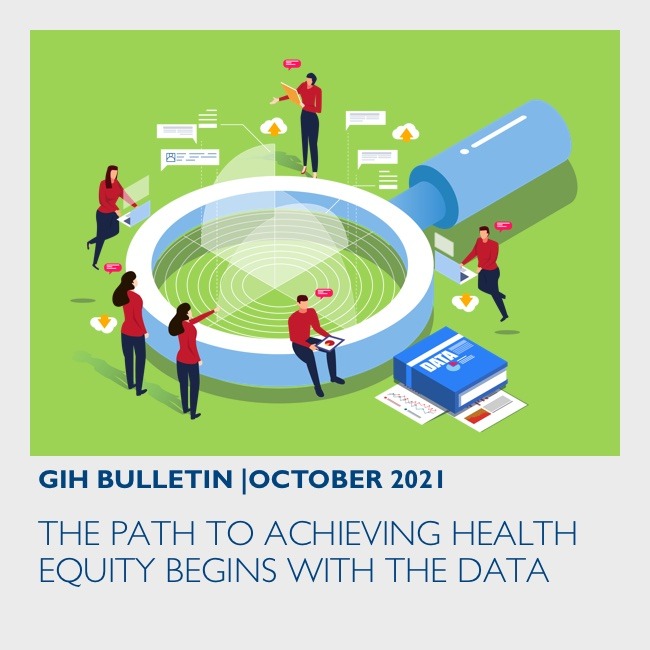
The Path to Achieving Health Equity Begins with The Data
As we work towards a more just and equitable future, we must ensure that we have the data needed to measure the things we are trying to improve. It is no longer acceptable to say we do not know.

Addressing Gaps in Firearm Violence Prevention Research – Lessons from a National Partnership
Whether by directly funding new research or calling on Congress to increase funding, philanthropic institutions can help build the evidence that leads to more effective gun policies and invest in initiatives for improved firearm data at the local, state, and federal levels.
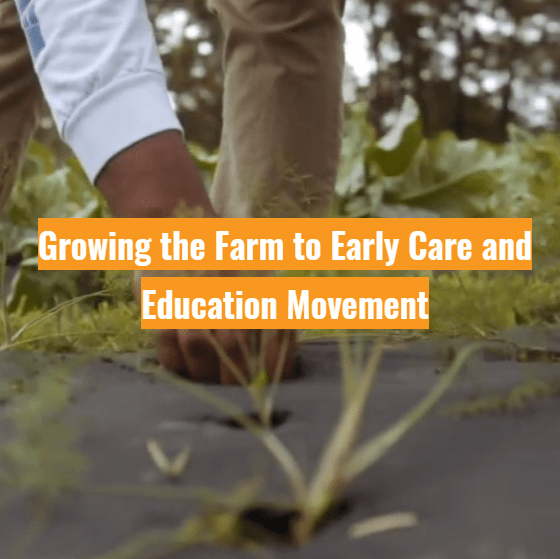
New Resources for Investing in Farm to Early Care and Education
Farm to early care and education initiatives work across systems, linking health, education, and agriculture to support young children’s cognitive, physical, and social-emotional development; improve community nutrition; and build sustainable local food systems. The W.K. Kellogg Foundation has released a set of new resources based on the learnings from their five-year, five-state (Georgia, Iowa, North Carolina, Pennsylvania, and Wisconsin) investment in farm to early care and education.