
Contribute to the Philanthropic Growth and Impact Fund
Explore Philanthropic Growth and Impact Topics

Latest Resources
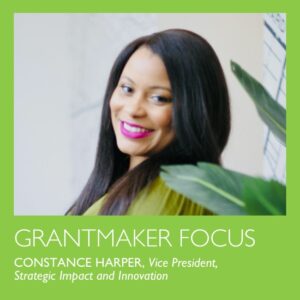
Deaconess Foundation
“At Deaconess Foundation, our strategy is guided by the residents in the communities in which we live, work, and serve. Through an expansive community listening process, we redefined our strategic aspiration to reflect both our community’s immediate needs and long-term hopes for our region. When we listened, we heard that our pursuit of health justice and social justice needed to extend beyond our ideas of what policy priorities should be for three to five years and that people want to be free from oppressive systems that inflict harm. Therefore, with great intention, we sharpened our vision and set our gaze on an intergenerational strategy in which Deaconess acts boldly with its power, influence, and resources to pursue liberation within seven generations.”
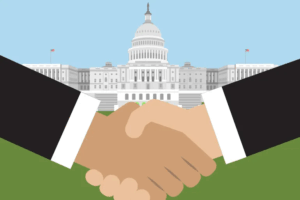
The Final Reconciliation Package: Implementation of Key Provisions
On July 4, 2025, H.R. 1, the One Big Beautiful Bill Act, was signed into law. The implementation dates for key health care provisions in the law vary, with some taking effect immediately upon passage and others being implemented over several years. This resource details key dates for the implementation of the law’s most significant health care provisions.
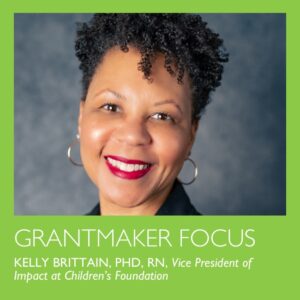
The Children’s Foundation
“Action is where philanthropy demonstrates its true value. At the Children’s Foundation, this means supporting community-led solutions, participating in collaborative funding efforts, and advocating for policies that strengthen public health, uplift nonprofit partners, and reinforce the philanthropic sector. Action requires transparency, trust, and long-term commitment.”
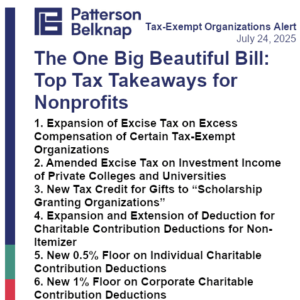
The One Big Beautiful Bill: Top Tax Takeaways for Nonprofits
This resource provides a rundown on the top tax takeaways for nonprofits from the July 4, 2025, budget reconciliation bill.
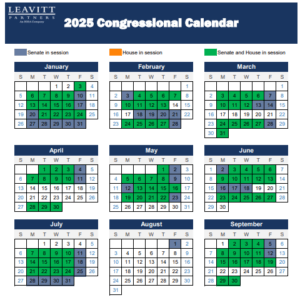
2025 Congressional Calendar
Developed in collaboration with Leavitt Partners, this calendar tracks when each house of congress will be in session in 2025.
Policy Resource: Overview of Congressional Staff and Member Outreach
Developed in collaboration with Leavitt Partners, this resource provides a detailed overview of how congressional offices, committees, and leadership are staffed. In addition, it provides recommended best practices for meeting with Members of Congress and their staff.
Reports and Publications
Collaboration Across Government and Philanthropy
This Georgetown University Center for Public and Nonprofit Leadership report uses data from a recent Grantmakers In Health survey to examine how philanthropy is partnering with government to fill critical gaps.
Grantmakers In Health Funder Collaboration Survey Report
At a time of deep cuts to health and social services, disappearing public health data, rising health care costs, and resurgent infectious diseases, philanthropy faces an urgent challenge: protecting vulnerable communities and sustaining hard-won health gains. Meeting this moment demands meaningful community engagement, strong coordination among funders, and partnerships that extend beyond the philanthropic sector. Yet despite the importance of these relationships, little is known about how health funders work together. To help fill this gap, GIH conducted research in 2025 to examine collaboration among health funders, highlight successes and challenges, and identify opportunities to strengthen collective impact.
Advancing the Public’s Health: Current Philanthropic Approaches and Priorities for the Future
This GIH report is grounded in discussions with a diverse set of philanthropic and public health leaders about the current state of the field. It aims to assess how foundations view public health and their guiding frameworks, as well as to identify lessons learned and priorities for strengthening the public health ecosystem.
Trustee Resources
Explore this page to browse resources, publications, and events related to foundation trustees.