
Blue Cross Blue Shield of North Carolina Foundation: August 2026
The foundation is issuing a funding opportunity to support local partnerships led by trusted community-based organizations that better connect, strengthen, and enhance existing mental health and well-being services for caregivers. This effort focuses on integrating and aligning existing resources to improve caregiver well-being, increase social connection, and strengthen pathways to clinical mental health care when needed.
Philanthropy @ Work – Grants and Programs – August 2026
The latest on grants and programs from the field.
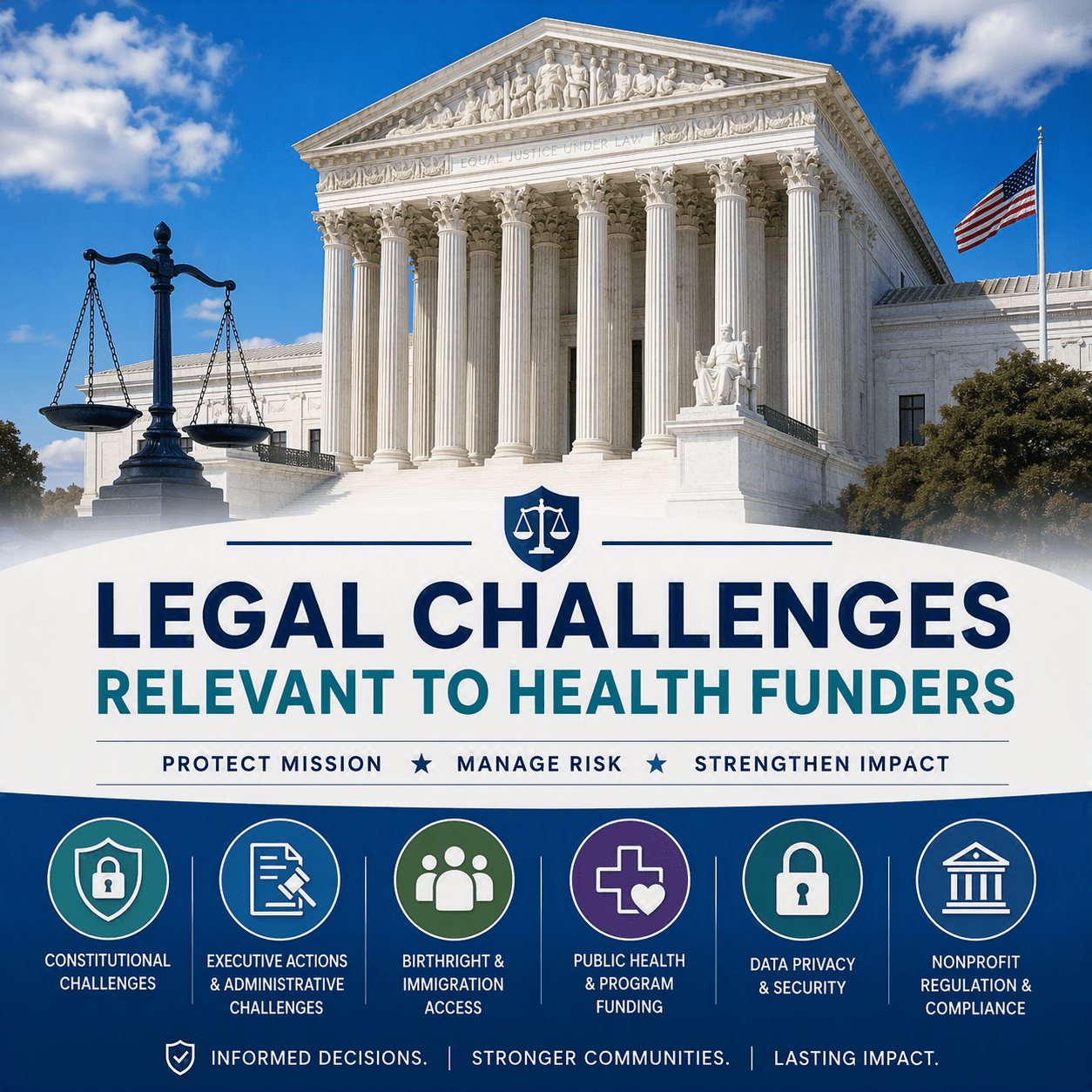
Select Legal Challenges Relevant to Health Funders in 2026
This resource highlights key court cases that could affect health funders, their communities, and their partners. It focuses on legal challenges to changes in federal programs and policies implemented by the current Administration. The brief also highlights significant cases related to health funders’ priorities. Understanding these cases can help funders anticipate changes in federal policy, assess potential implications, and identify opportunities to support or protect health programs and services.
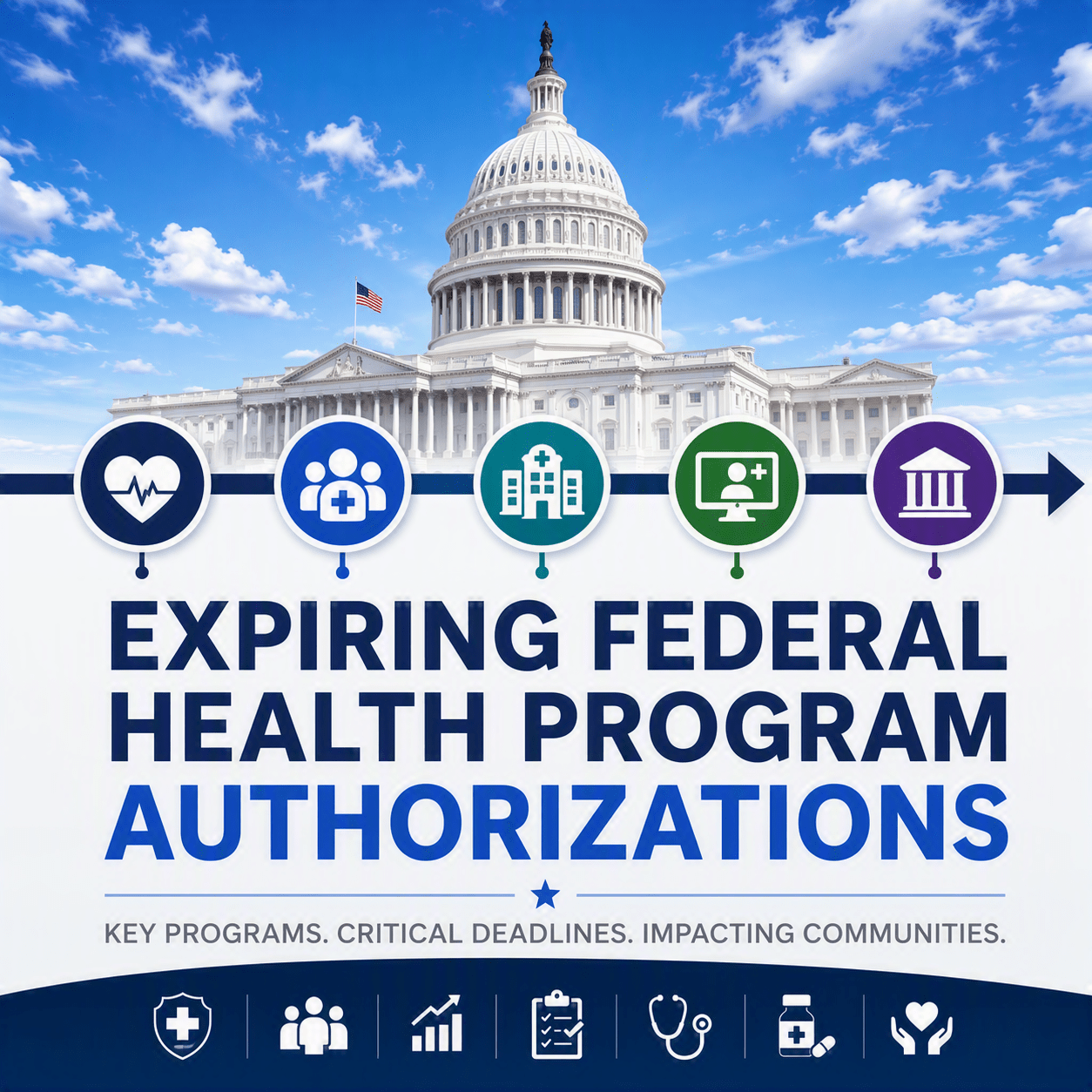
Expiring Federal Health Program Authorizations: How Funders Can Engage
This resource provides an overview of federal health programs whose authorizations have expired or are set to expire. As Congress considers whether and how to reauthorize these programs, funders have an opportunity to understand what is at stake and help inform policymakers about those affected by potential changes or inaction. It explains how the congressional authorization and appropriations processes shape program funding, and highlights opportunities for funders to inform policymakers about community needs, program impact, and priorities for reauthorization or continued funding.
2026 Terrance Keenan Institute Fellows Named
GIH is delighted to announce the 2026 Terrance Keenan Institute for Emerging Leaders in Health Philanthropy class of fellows.

Elevating Community Priorities to Shape Georgia’s Health Policy Agenda
Georgia stands at a pivotal moment that will shape the direction of health policy in our state. With an open governor’s race in 2026, along with other open seats, we’re on the cusp of significant political transition. While new leadership introduces uncertainty, it also creates opportunity. This moment opens the door for nonpartisan, nonprofit, private foundations like our team at Georgia Health Initiative to play a constructive role in elevating community priorities to shape a health policy agenda designed to work for all Georgians.

Strengthening Health Care Access for People with Disabilities: Lessons for Philanthropy
In July, we recognize Disability Pride Month, marking the anniversary of the landmark Americans with Disabilities Act (ADA) and celebrating the contributions and diverse identities of people with disabilities. While the ADA prohibits discrimination on the basis of disability and establishes protections and requirements for employers, state, and local governments, and other areas of public life, many people with disabilities still face barriers.

UniHealth Foundation: July 2026
UniHealth Foundation recently launched its Healthy Neighbors Small Grants Program. The new initiative will fund nonprofits focused on enhancing community health and wellness in Pasadena, Altadena, Sierra Madre, and South Pasadena, California. Grant awards will range from $5,000 to $10,000, with decisions announced in late fall 2026.
Morgan Stanley Alliance for Children’s Mental Health: July 2026
Applications for the Morgan Stanley Alliance for Children’s Mental Health 2027 Innovation Awards, including its Next Gen category, are open through July 24, 2026. As mental health issues continue to plague adolescents, the Innovation Awards seek to identify and advance new, impactful ways to help address these issues and support nonprofits making meaningful impacts at the local and national levels across the U.S.