
NJ SNIP: Supporting Behavioral Health Access Through Trust-based Grantmaking
Amid shifting federal health care funding, grants that enable health care safety net entities to respond to the changing landscape can unlock immense value. This form of grantmaking puts daily program-related decisions in the hands of people doing the work, allowing organizations to develop and sustain staff positions, workflows, and programs that reflect their priorities.

Hogg Foundation for Mental Health: September 2026
The Hogg Foundation for Mental Health is seeking two young adult leaders to join its National Advisory Council. The council advises the foundation on its work and includes members with expertise in psychiatry, community health, peer support, social work, sociology, philanthropy, public policy, and law, as well as people with lived experience of mental health conditions.
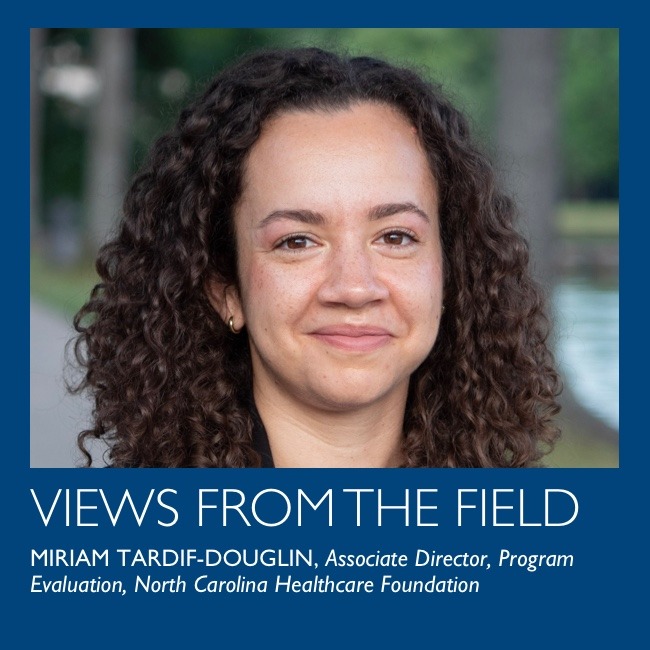
Opioid Use Disorder in Pregnancy: Countering Bias and Promoting Care
Most pregnancy-related deaths in North Carolina are preventable. Yet mental health conditions, including overdose and suicide, remain the leading cause of pregnancy-related death. For health care leaders, that reality demands a closer look at how we identify, treat, and support pregnant and postpartum patients with opioid use disorder.
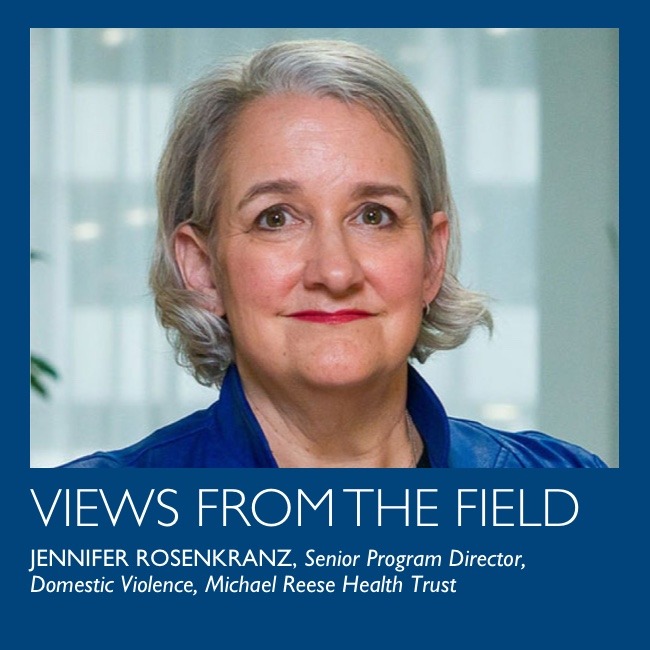
Preventing Domestic Violence by Reaching People Who Cause Harm
The research involved a landscape scan of Cook County, Illinois’ policies, funding, and services for people who cause harm with a goal of engaging the stakeholders and providers doing this work as well as survivors and those who receive services to identify barriers, challenges, and strengths of domestic violence prevention programs. The research examined Partner Abuse Intervention Programs (PAIP) in particular, a standard intervention for people who cause harm that is overseen by the Illinois Department of Human Services.
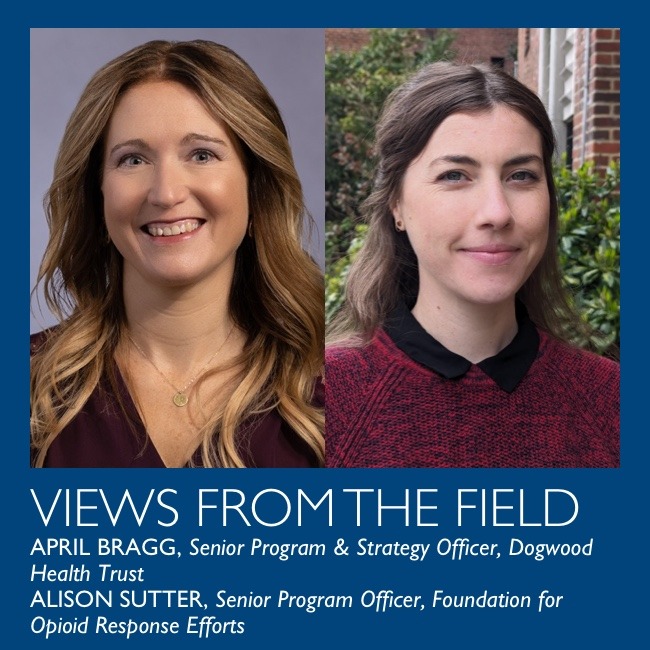
Post-Overdose Response Teams: A Community-Based Approach to Public Safety
Recent changes in the federal policy landscape have created new questions for communities working to address substance use disorder (SUD), mental health needs, and housing instability. In this evolving environment, philanthropy, in collaboration with community-based organizations and local governments, has an important role to play in supporting evidence-based responses to overdose and mental health emergencies that improve access to care, strengthen community wellbeing, and uplift public health while avoiding unnecessary criminal legal outcomes.
The Merck Foundation: August 2026
The Call for Proposals is now open! The Merck Foundation has launched a United States initiative called the Community Collaborative for Reimagining HIV Care. Through the Collaborative, the foundation will provide grants to support the development and implementation of innovative, community-centered models of comprehensive care to meet the evolving needs of people living with HIV.
Blue Cross Blue Shield of North Carolina Foundation: August 2026
The foundation is issuing a funding opportunity to support local partnerships led by trusted community-based organizations that better connect, strengthen, and enhance existing mental health and well-being services for caregivers. This effort focuses on integrating and aligning existing resources to improve caregiver well-being, increase social connection, and strengthen pathways to clinical mental health care when needed.
UniHealth Foundation: July 2026
UniHealth Foundation recently launched its Healthy Neighbors Small Grants Program. The new initiative will fund nonprofits focused on enhancing community health and wellness in Pasadena, Altadena, Sierra Madre, and South Pasadena, California. Grant awards will range from $5,000 to $10,000, with decisions announced in late fall 2026.
Morgan Stanley Alliance for Children’s Mental Health: July 2026
Applications for the Morgan Stanley Alliance for Children’s Mental Health 2027 Innovation Awards, including its Next Gen category, are open through July 24, 2026. As mental health issues continue to plague adolescents, the Innovation Awards seek to identify and advance new, impactful ways to help address these issues and support nonprofits making meaningful impacts at the local and national levels across the U.S.
From National Data to Local Action: Improving Youth Mental Health
Improving youth mental health starts with strong data, but not just clinical measures. Understanding how young people are feeling means capturing what matters most to them: belonging, agency, support, and resilience.
Join this webinar to explore how Surgo Health’s nationally recognized Youth Mental Health Tracker is generating new, equity-focused insights into youth well-being and how Interact for Health −in partnership with the coalition Hopeful Empowered Youth (HEY!) and local funders −adapted that research to center local voices across the Cincinnati region.
Speakers will discuss how this collaboration is filling critical data gaps by going beyond traditional mental health indicators to measure holistic well-being across diverse populations, including Black, Hispanic, LGBTQ+, and economically disadvantaged youth. Attendees will hear directly from HEY! coalition youth leaders who were involved at every stage of the data process to ensure concepts, language, and priorities reflect real youth experiences. Hey! coalition leaders will also share how results will be used to shape mental health efforts in their community.