
GIH Bulletin: October 2020
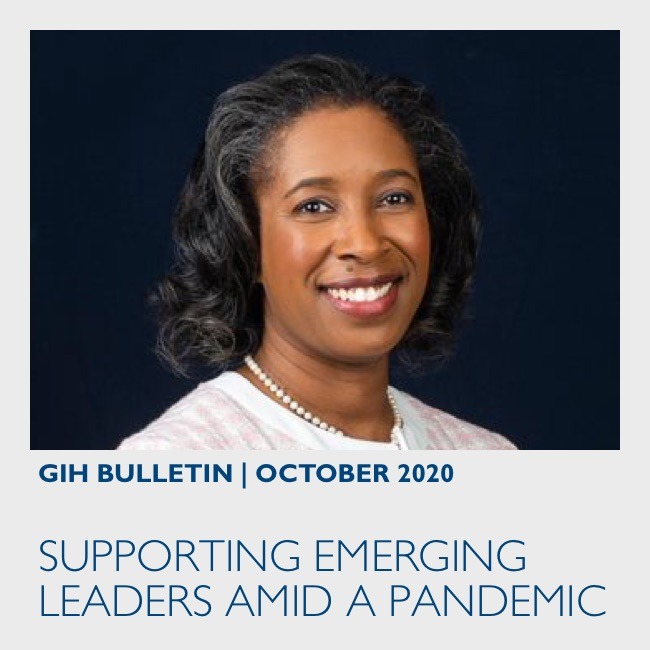
This year has placed a spotlight on many things, including the importance of leadership during times of crisis and uncertainty. I recently had the pleasure of welcoming the newest cohort of fellows to the Terrance Keenan Institute for Emerging Leaders in Health Philanthropy. We spent three afternoons together learning about each other’s leadership style, talking about how to foster more diverse and inclusive work environments, discussing how to advance health equity through the work of their foundations, and engaging community leaders in a discussion on power sharing and how to more effectively partner with community organizations to effect change.

From Citizen-Led Ballot Initiative to Community-Centered Solutions for Mental Health and Substance Misuse
Our mission is to address Denver’s mental health and substance misuse needs by growing community-informed solutions, dismantling stigma, and turning the community’s desire to help into action. In less than one year of operation, we have funded 41 organizations and five City agencies and provided $17.3 million in funding to the Denver community.
Health Equity: Our Way Forward …Through COVID-19 and Beyond
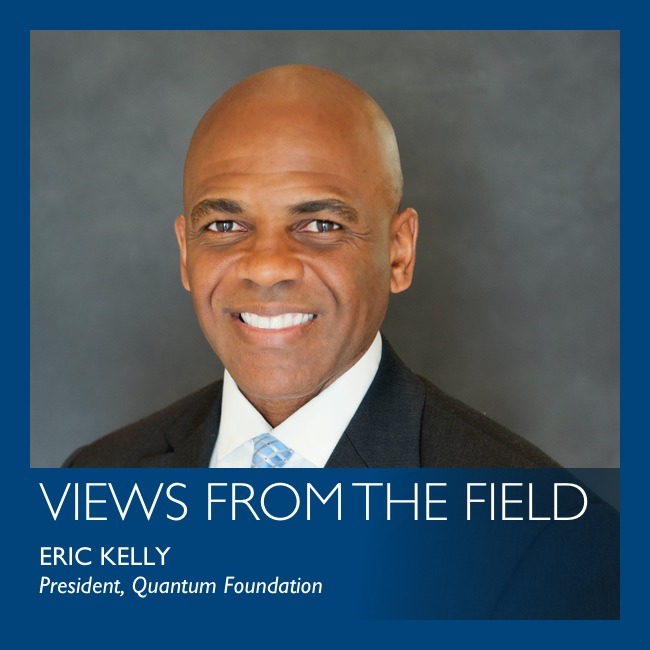
Eric Kelly, President, Quantum Foundation For health funders, it is essential that we realize that even given all of the unforeseen devastation of COVID-19, and the compounding social crises in its wake, many of our communities began 2020 already in a health crisis. These pre-existing conditions allowed a global pandemic that does not discriminate to…

Pioneering Health-Wealth Solutions for Children
Today, as we navigate the pandemic, deep racial and economic inequities in health and wealth outcomes have been revealed and amplified for children—especially children of color. Health and wealth are inextricably linked. Investments to improve health outcomes using the social determinants of health and to promote financial well-being across families are mutually supportive. The ultimate goal is to ensure that all children are healthy, financially secure, and live in families without daily financial stressors because of assets and wealth.
GIH Bulletin: September 2020
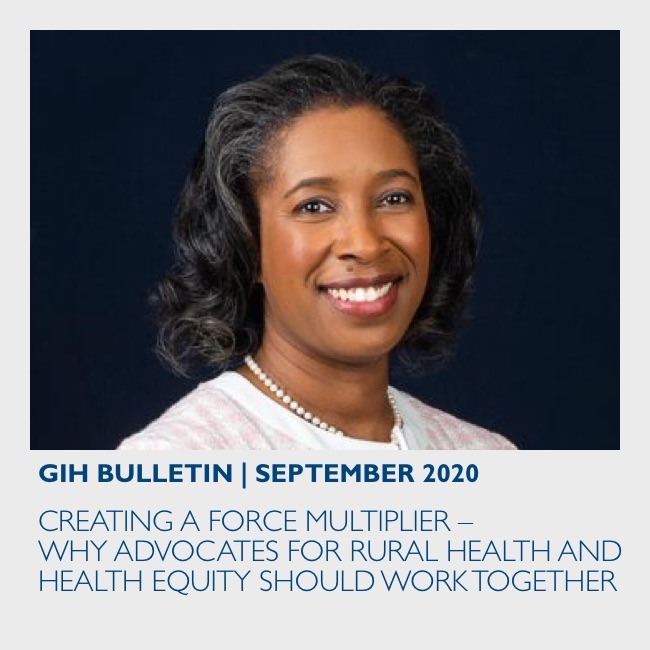
Funders can bring groups together, helping to expand the number of stakeholders aware of the unique needs of communities and develop programs, policies and initiatives that apply a rural and racial equity lens, thereby creating a force multiplier effect that could lead to significant improvements in health for all.

Creating A Force Multiplier – Why Advocates for Rural Health and Health Equity Should Work Together
Investment in rural communities and in organizations led by people of color is disproportionately low compared to their population size and need. There are relatively small groups of dedicated researchers, advocates, and policymakers committed to progress in each area. Funders can bring these groups together, thereby creating a force multiplier effect that could lead to significant improvements in health for all.