
A New Path for Philanthropy: Supporting Oral Health Through Community Partnerships
Good nutrition is essential to good oral as well as overall health. A community-based organization in central Washington state called APOYO shares this belief with Arcora Foundation. Beyond food and nutrition services, the organization has long supported immigrant and Latinx families with culturally relevant outreach, advocacy, and resource navigation. But during the summer of 2025, their ability to support communities was in jeopardy.

Welcoming and Belonging: Drivers for Equity and Growth
More than a decade ago, leadership at REACH Healthcare Foundation began exploring how a community would function if it truly embraced welcoming and belonging for immigrant and refugee populations. The mid-sized Midwest philanthropic foundation sought to invest in a plan to reveal, then address, the systemic barriers impacting Kansas City’s efforts of inclusion for all members of the community.

Healing Takes Practice: Reaching People Is Only the Beginning
Violence is increasingly understood as a public health problem. That shift has changed the way communities respond—moving the conversation beyond policing and criminal justice and toward prevention, intervention, and the conditions that put people at risk. But treating violence as a health problem also requires us to reckon with trauma.
We Didn’t Stop: Leading with Purpose When the System Stepped Back
The notice came the way these things now tend to come: abruptly, in writing, and without a transition plan. In April 2025, Public Health AmeriCorps programs were terminated nationally alongside about 900 other AmeriCorps programs. Funding halted. AmeriCorps service members who had built their careers and households around a year of community health service were left waiting for answers no one could give them. Organizations across the country scrambled.
GIH Health Policy Update Newsletter
The Latest
An Exclusive Resource for Funding Partners
The Health Policy Update is a newsletter produced in collaboration with Leavitt Partners and Trust for America’s Health. Drawing on GIH’s policy priorities outlined in our policy agenda and our strategic objective of increasing our policy and advocacy presence, the Health Policy Update provides GIH Funding Partners with a range of federal health policy news.
Kids and Drinking Water: A Glass Half Full or Half Empty?
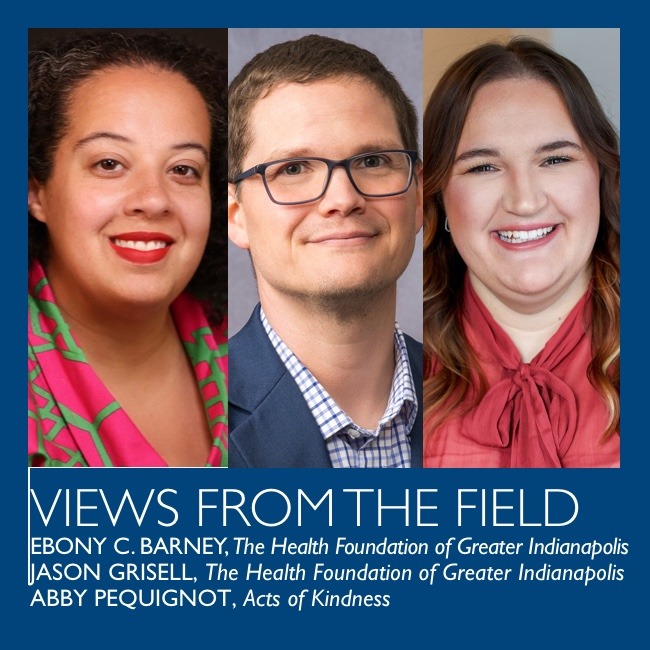
Increasing kids’ consumption of drinking water supports their health and learning. Yet most children do not drink enough. There are many challenges to achieving the goal of all children drinking the daily recommended amount of water. This Views from the Field article discusses the policy framework and ways funders can help ensure access to safe drinking water for all children in the United States.
Mark the Fifth Anniversary of the Affordable Care Act
Mark the Fifth Anniversary of the Affordable Care Act by Contributing to the GIH Health Reform Resource Center Fund.
Expanding Impact Through Evaluation
Foundations support evaluations for a variety of reasons: to measure impact and monitor program performance; to strengthen program performance by providing feedback to grantees and foundation staff; and to promote broader learning by grantees, the foundation, and the nonprofit community at large.
Behavioral Health for All
Behavioral health conditions, which include both mental health and substance-use disorders, are among the biggest health problems our country faces. Roughly 50 percent of the population will be affected by these conditions at some point in their lives.
Reforming School Discipline Policies to Improve Children’s Success
n recent years, Atlantic deliberately honed its investments and focused its grantmaking on a small number of big bets with potential for significant impact. One of these priorities was the over-use of “zero tolerance” suspensions, arrests, and expulsions, and their role in pushing children of color into the justice system.
Building Our Way to Better Health
Kaiser Permanente of Georgia’s Community Benefit program has invested a total of $5 million since 2010 in Atlanta’s largest, most dynamic urban redevelopment project – the Atlanta BeltLine.