
NJ SNIP: Supporting Behavioral Health Access Through Trust-based Grantmaking
Amid shifting federal health care funding, grants that enable health care safety net entities to respond to the changing landscape can unlock immense value. This form of grantmaking puts daily program-related decisions in the hands of people doing the work, allowing organizations to develop and sustain staff positions, workflows, and programs that reflect their priorities.
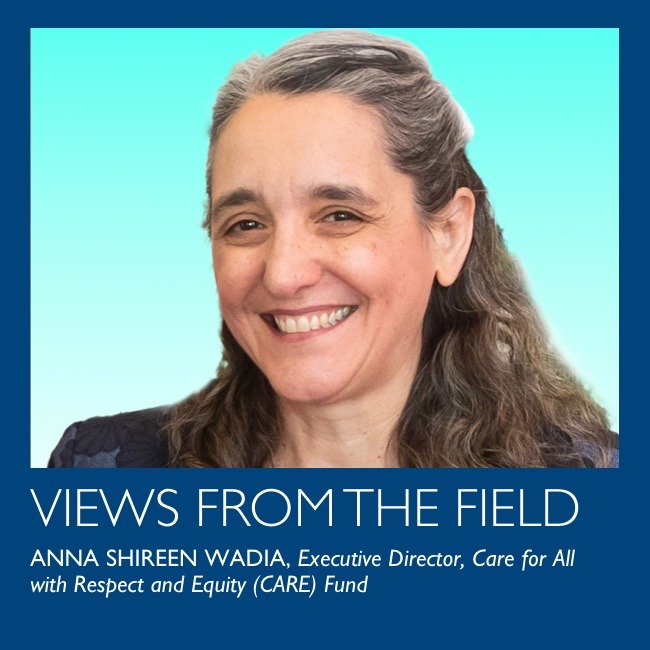
Leaning Into Radical Collaboration Will Advance Your Focused Mission
At this year’s GIH annual conference, I found myself surrounded by hundreds of philanthropic leaders deeply committed to improving the health and well-being of their communities. Again and again, I met funders whose work was grounded in a particular place, population, or issue. These funders know their communities intimately. They understand local history, relationships, and the needs of their communities. Their focus is one of their greatest strengths.
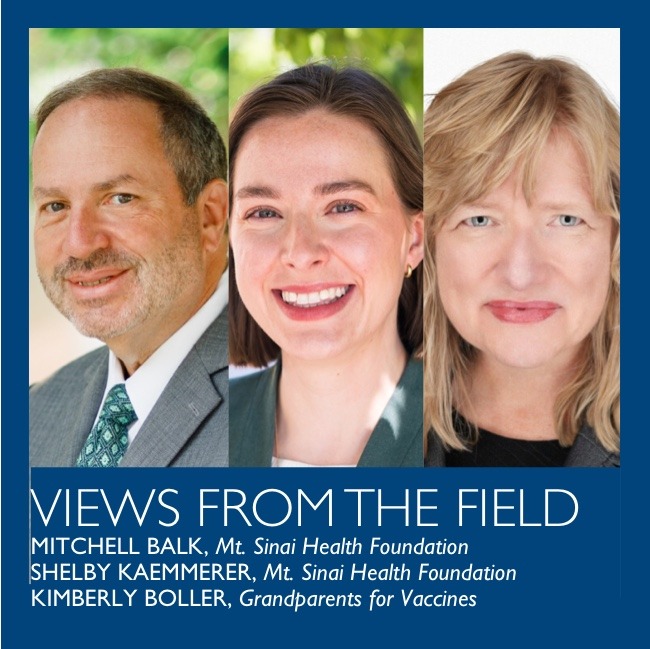
Changing the Vaccine Conversation Before It’s Too Late—What Can Philanthropy Do?
In July 2026, the United States reached a grim milestone when the number of confirmed cases of measles exceeded the total for all of 2025. On August 10, 2026, the White House issued an executive order directing changes to the federal childhood vaccine schedule and categories, and calls for availability of separate measles, mumps, and rubella vaccines. The science has not changed, but the new framework could significantly slow down the delivery of protective immunizations from these serious diseases.
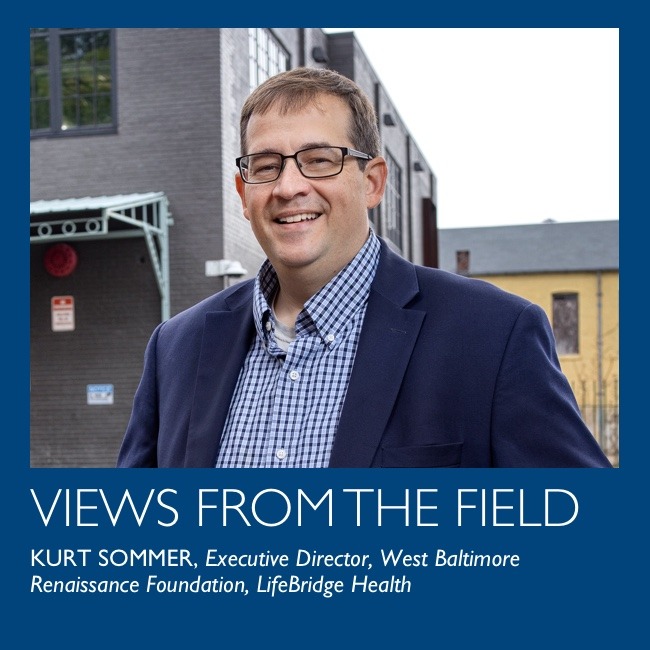
Community Focused Strategies to Improve Health in West Baltimore
For far too long, residents of west Baltimore have faced continuous uphill battles to access basic amenities, services, jobs, and quality of life. Racism, redlining, eminent domain, disinvestment, school closures, poverty, violent crime, chronic health conditions, failed affordable housing, and the outmigration of businesses and residents have left behind vacant housing and dilapidated commercial corridors. These challenges result in a 17-year difference in life expectancy between residents of west Baltimore neighborhoods compared to other parts of the city.
GIH Health Policy Update Newsletter
An Exclusive Resource for Funding Partners
The Health Policy Update is a newsletter produced in collaboration with Leavitt Partners and Trust for America’s Health. Drawing on GIH’s policy priorities outlined in our policy agenda and our strategic objective of increasing our policy and advocacy presence, the Health Policy Update provides GIH Funding Partners with a range of federal health policy news.
GIH in Nonprofit Quarterly: Health Funders Call on Philanthropy to Support Power Building
The 2022 Grantmakers In Health (GIH) annual conference was the subject of a September 19, 2022 Nonprofit Quarterly article exploring health philanthropy’s changing approach to community engagement, as well as the role of health conversion foundations in the field.
Cara V. James Interviewed on TED Health Podcast: Advancing Public Health
Grantmakers In Health President and CEO Cara V. James was interviewed by Shoshana Ungerleider on the September 21, 2022 episode of the TED Health podcast about challenges faced by the U.S. public health system.

Strengthening Social Connection and Opportunities in Rural Communities
This brief describes an unfolding learning journey intended to strengthen social connection, resident voice, and agency to address inequities in rural health and well-being. Along the way, we have come to realize the important lessons for each of our institutions and ways in which we are better off for having taken this approach to our work.

Rhode Island’s Health Equity Zones: Rethinking Community Investing to Create Measurable, Sustainable Gains in Health Equity
In 2015 the Rhode Island Department of Health (RIDOH) launched a project called the Health Equity Zones (HEZ) initiative, with the goal of creating a new public health approach. Rather than prioritizing specific health outcomes, Rhode Island’s HEZ initiative was designed to shift investments upstream to improve the social, environmental, and economic determinants of health by intentionally investing in community infrastructure and resident empowerment. The HEZ initiative has grown over the past seven years to become an internationally recognized model for operationalizing health equity, and during that time we have learned a lot about the role of community investments and how our approach needs to be rethought if we are truly going to invest in health equity.

Centering Racial Justice to Address Climate Change: Learning What it Takes
In 2018, the Kresge Foundation launched the Climate Change, Health, and Equity (CCHE) initiative as a 5-year, $22 million commitment to accelerate action on climate change and climate-related inequities in health. Since its inception, the CCHE network has worked in distinct, yet aligned strategies that focus on health institutions, practitioner and professional societies, and community-based organizations. The priority was to bring together diverse grant-funded partners at different points along their equity journey, with initiative partners providing evaluation, technical assistance, and support to sustain the network.

Children’s Environmental Health Day: Actions Needed Now to Protect Our Children’s Health
It has been over a decade since the World Health Organization raised the alarm that chronic diseases—including cardiovascular, cancer, diabetes, obesity, and metabolic syndrome—are rapidly becoming an epidemic in developed nations, and increasingly, in developing nations. Escalating rates of neurocognitive, metabolic, autoimmune, and cardiovascular diseases cannot be solely attributed to lifestyle, genetics, and nutrition. Prenatal, early life, and ongoing exposures, along with bio-accumulative toxicants, are playing a large role in the increased incidence of chronic disease. In fact, we need only look at the statistics to see that chronic disease rates in children are on the rise, and this can often be linked to toxic exposures.