
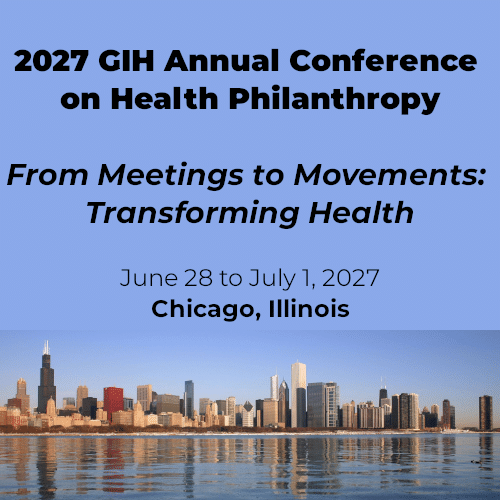
Submit a Session Proposal for the 2027 GIH Annual Conference on Health Philanthropy
We invite you to submit a session proposal for the 2027 Grantmakers In Health (GIH) Annual Conference on Health Philanthropy, From Meetings to Movements: Transforming Health, which will be held in person in Chicago, Illinois, from June 28 to July 1, 2027. From Meetings to Movements: Transforming Health Forty-five years ago, a small group of…
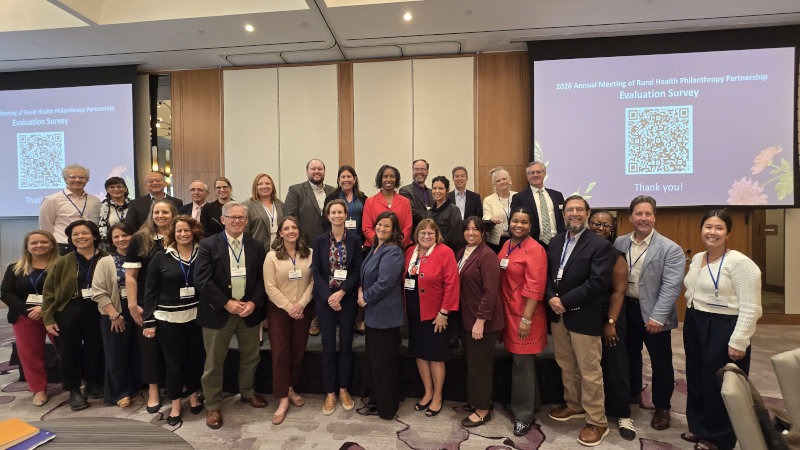
Make Connections to Create a Movement for Rural Health
On Thursday, September 24, the Annual Meeting of the Rural Health Philanthropy Partnership kicked off in downtown Bethesda, MD. Selected highlights from the convening’s first day setting the stage for a full day of sessions and networking opportunities centered on how collaboration can build on progress already underway in rural and tribal communities, including rural health transformation efforts.

NJ SNIP: Supporting Behavioral Health Access Through Trust-based Grantmaking
Amid shifting federal health care funding, grants that enable health care safety net entities to respond to the changing landscape can unlock immense value. This form of grantmaking puts daily program-related decisions in the hands of people doing the work, allowing organizations to develop and sustain staff positions, workflows, and programs that reflect their priorities.

Leaning Into Radical Collaboration Will Advance Your Focused Mission
At this year’s GIH annual conference, I found myself surrounded by hundreds of philanthropic leaders deeply committed to improving the health and well-being of their communities. Again and again, I met funders whose work was grounded in a particular place, population, or issue. These funders know their communities intimately. They understand local history, relationships, and the needs of their communities. Their focus is one of their greatest strengths.
GIH Health Policy Update Newsletter
An Exclusive Resource for Funding Partners
The Health Policy Update is a newsletter produced in collaboration with Leavitt Partners and Trust for America’s Health. Drawing on GIH’s policy priorities outlined in our policy agenda and our strategic objective of increasing our policy and advocacy presence, the Health Policy Update provides GIH Funding Partners with a range of federal health policy news.

Centering Racial Justice to Address Climate Change: Learning What it Takes
In 2018, the Kresge Foundation launched the Climate Change, Health, and Equity (CCHE) initiative as a 5-year, $22 million commitment to accelerate action on climate change and climate-related inequities in health. Since its inception, the CCHE network has worked in distinct, yet aligned strategies that focus on health institutions, practitioner and professional societies, and community-based organizations. The priority was to bring together diverse grant-funded partners at different points along their equity journey, with initiative partners providing evaluation, technical assistance, and support to sustain the network.

Children’s Environmental Health Day: Actions Needed Now to Protect Our Children’s Health
It has been over a decade since the World Health Organization raised the alarm that chronic diseases—including cardiovascular, cancer, diabetes, obesity, and metabolic syndrome—are rapidly becoming an epidemic in developed nations, and increasingly, in developing nations. Escalating rates of neurocognitive, metabolic, autoimmune, and cardiovascular diseases cannot be solely attributed to lifestyle, genetics, and nutrition. Prenatal, early life, and ongoing exposures, along with bio-accumulative toxicants, are playing a large role in the increased incidence of chronic disease. In fact, we need only look at the statistics to see that chronic disease rates in children are on the rise, and this can often be linked to toxic exposures.
Rural Road Trip Showcases Resiliency, Collaboration, Innovation, and the Need for a Shared Vision for Rural Health in the United States
Last month I had the distinct pleasure of visiting Georgia and North Carolina with key partners in rural health. Our “rural road trip” was a refreshing journey that provided inspiration for philanthropy’s work and a reminder that ensuring better health for all must engage all rural communities.


New York Health Foundation: September 2022
Learn about the findings from the first-ever statewide survey on the connection between food and health.
Fall Forum 2022 FAQs
GIH COVID Policy, Non-Solicitation Policy, Code of Conduct, Social Media, Photography/Video/Audio Taping Release, Liability Waiver, Registration Eligibility, Cancellation Policy.