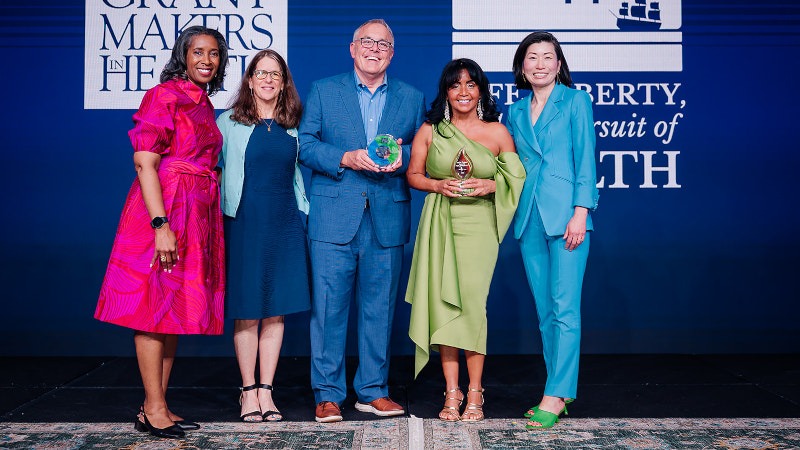
Getting in Formation: Working Together to Build Healthy Communities
From breakout sessions to quick takes and wellness activities to two inspiring plenary sessions, every corner during day two of the Grantmakers In Health (GIH) Annual Conference on Health Philanthropy, Life, Liberty, and the Pursuit of Health was filled with conversation and connection. The day’s agenda focused on how funders can find and use their voices to stand up in this moment of change, including doubling down on their values; taking bigger, bolder risks alongside grantees; and seeking partnerships spanning the private and public sectors.
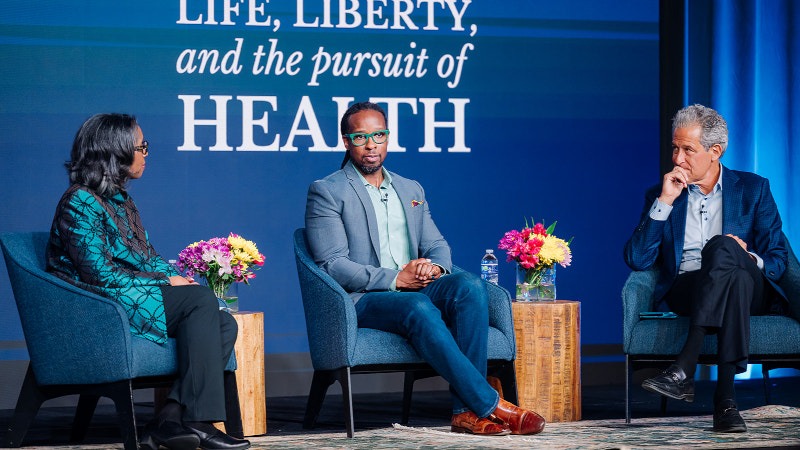
Life, Liberty, and the Pursuit of Health in Action
Life, Liberty, and the Pursuit of Health is more than this year’s Annual Conference on Health Philanthropy theme; it is the foundation for every planned session, unexpected learning moment, and conversation in Baltimore from June 8-11. The pre-conference kicked off with a range of discussions centered on the theme, including the state of Medicaid after H.R. 1, the connection between democracy and better health outcomes, and collaborations in public health funding.
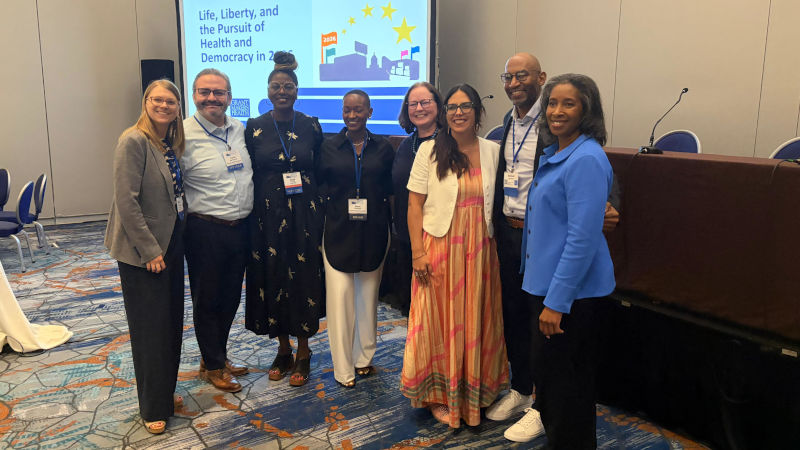
Health Philanthropy Working at the Intersections Between Critical Issues
Life, Liberty, and the Pursuit of Health is more than this year’s Annual Conference on Health Philanthropy theme; it is the foundation for every planned session, unexpected learning moment, and conversation in Baltimore from June 8-11. The pre-conference kicked off with a range of discussions centered on the theme, including the state of Medicaid after H.R. 1, the connection between democracy and better health outcomes, and collaborations in public health funding.
GIH Health Policy Update Newsletter
The Latest
An Exclusive Resource for Funding Partners
The Health Policy Update is a newsletter produced in collaboration with Leavitt Partners and Trust for America’s Health. Drawing on GIH’s policy priorities outlined in our policy agenda and our strategic objective of increasing our policy and advocacy presence, the Health Policy Update provides GIH Funding Partners with a range of federal health policy news.

Joan Alker of the Georgetown Center for Children and Families to Be Honored with the Andy Hyman Award for Advocacy
Joan Alker, Executive Director and a cofounder of the Georgetown Center for Children and Families (CCF) in Washington, DC, will receive Grantmakers In Health’s 2024 Andy Hyman Award for Advocacy.

Billie Hall of the Sunflower Foundation to Be Honored with the 2024 Terrance Keenan Leadership Award in Health Philanthropy
Billie Hall, President and Chief Executive Officer of the Sunflower Foundation in Kansas, will receive Grantmakers In Health’s 2024 Terrance Keenan Leadership Award in Health Philanthropy.

A New Generation of Researchers: Hearing from Youth Leaders on Their Well-Being
Building upon a previous conversation with Juan Martinez of the Aspen Institute and Cynthia Weaver of The Annie E. Casey Foundation on their collaboration on the Youth and Young Adult Well-Being project, the following Q&A features three paid youth consultants who are leading the research initiative as the Youth and Young Adult Well-Being core team. Each team member represents a different cultural affinity group in the well-being project: Desiree Armas from Latine Bienestar, Niara Frankson from Black Expressions of Well-Being, and Zenetta Zepeda from American Indian/Alaska Native.
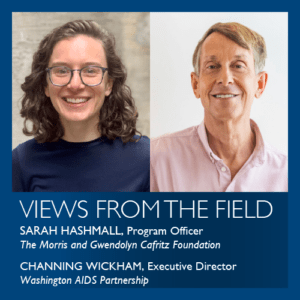
Lessons from the Washington AIDS Partnership: How to Take Big Risks and Move Quickly to Drive Change
The Washington AIDS Partnership, a collaboration of grantmaking organizations with a mission of ending the HIV epidemic in the Greater Washington region, was founded in 1988 with the support of the Ford Foundation and 20 DC-area foundations. The organization’s charge was to make grants to the community as quickly as possible. At that time, Washington, DC had the fifth-highest HIV rate in the country, and the epidemic was out of control. As the city has made great progress reaching goals set in the DC Ends HIV Plan, the Washington AIDS Partnership determined in 2023 that its role in the fight to end the local epidemic was coming to an end. The organization will officially conclude its work in the first quarter of 2024.

Leading Boldly, Building Trust: Lessons from a Community-Driven Strategic Planning Process
The Horizon Foundation of Howard County, Maryland believes that everyone in our community deserves to live abundant and healthy lives. But there are barriers standing in the way of some of our residents—particularly people of color—from achieving that vision. We know that for too long, inequitable laws, policies, and practices have held back many of our neighbors. The Foundation recently completed a 14-month long strategic planning process to figure out how to address these systemic barriers in a way that centers the voices of our community members who are most impacted. We realized that our work—what we focus on, who we engage with, and how we make decisions—needed to fundamentally change.

CareQuest Institute for Oral Health: March 2024
CareQuest Institute for Oral Health released a new report titled The Hour of Need: Productivity Time Lost Due to Urgent Oral Health Needs, which found that adults 18 and older in the US lose more than 243 million work or school hours annually due to oral health problems.