

Explore Access and Quality Topics









Latest Resources
What Do We Stand For?
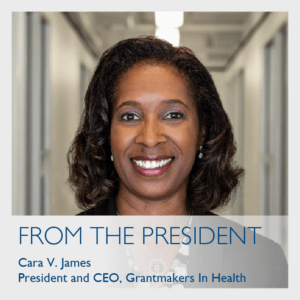
At a moment when so much has been described as “unprecedented”, and so much of what we value is being attacked, we need to ask ourselves as individuals, organizations, and a field, what do we stand for? What values do we hold, and what will we do and say to defend them?
Data Show That The Majority of Adult Medicaid Enrollees are Working
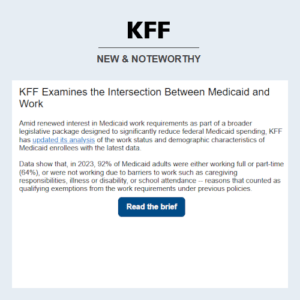
Amid renewed interest in Medicaid work requirements as part of a broader legislative package designed to significantly reduce federal Medicaid spending, KFF has updated its analysis of the work status and demographic characteristics of Medicaid enrollees with the latest data.

Medicaid Managed Care Contracts are a Powerful Tool for Change; Philanthropy has a Role to Play
As a foundation, the mission of the United Methodist Health Ministry Fund is to improve the health of all Kansans. Our success, in large measure, depends on investments we make in advancing positive policy and systems changes that affect the state and communities. So, with large numbers of the state’s most vulnerable people relying on Medicaid for health coverage and care, we focus on leveraging the opportunities this program offers to sustain improved health outcomes and make progress on health equity.

Merck Foundation: December 2024
Merck Foundation has launched a new initiative – the Collaborative for Equity in Cardiac Care to advance equitable access to high-quality, culturally responsive cardiac care for people living with heart conditions in underserved United States communities. The foundation is committing $17 million over five years to support the development and implementation of innovative, comprehensive programs for cardiac health care across the country as well as promote cross-sectoral collaborations to address barriers to care associated with social drivers of health.
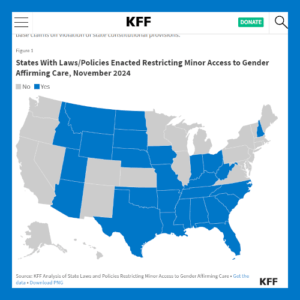
Youth Access to Gender Affirming Care at the Supreme Court: What to Know
Ahead of December 4 arguments in a Supreme Court case (U.S. v. Skrmetti) challenging the constitutionality of Tennessee restrictions for gender affirming care for minors, KFF explores the background of the case and potential rulings.

Safeguarding Health Care Access for Transgender Communities
For decades, LGBTQ+ Americans have been at the forefront of powerful movements championing the freedom for all individuals to be themselves and pursue their dreams. This grassroots organizing has led to unprecedented public support for LGBTQ+ equality and increased visibility for transgender people within our society. However, despite growing acceptance, a dangerous political backlash threatens the progress made in securing health care access for transgender communities.
Publications and Reports

GIH Bulletin: January/February 2026
One year ago, as we were just one month into the new administration, I wrote that “At a moment when so much has been described as ‘unprecedented,’ and so much of what we value is being attacked, we need to ask ourselves as individuals, organizations, and a field, what do we stand for? What values do we hold, and what will we do and say to defend them?” Today, the answers to these questions are needed more urgently than ever.

GIH Bulletin: November/December 2025
GIH President and CEO, Cara V. James, delivered these remarks on Protecting the Freedom to Give at the closing of the 2025 Health Policy Exchange, in Arlington, Virginia.
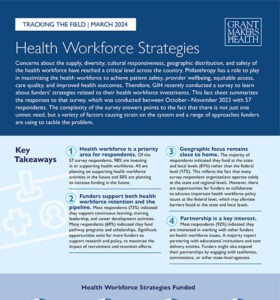
2024 Survey Summary: Health Workforce Strategies
Concerns about the supply, diversity, cultural responsiveness, geographic distribution, and safety of the health workforce have reached a critical level across the country. Philanthropy has a role to play in maximizing the health workforce to achieve patient safety, provider well-being, equitable access, care quality, and improved health outcomes. Therefore, GIH recently conducted a survey to learn about funders’ strategies related to their health workforce investments.