
A New Path for Philanthropy: Supporting Oral Health Through Community Partnerships
Good nutrition is essential to good oral as well as overall health. A community-based organization in central Washington state called APOYO shares this belief with Arcora Foundation. Beyond food and nutrition services, the organization has long supported immigrant and Latinx families with culturally relevant outreach, advocacy, and resource navigation. But during the summer of 2025, their ability to support communities was in jeopardy.
Welcoming and Belonging: Drivers for Equity and Growth
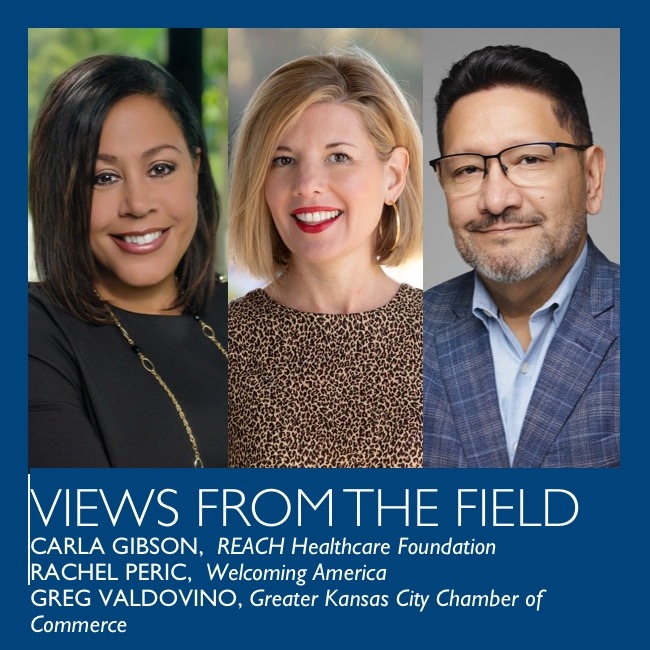
More than a decade ago, leadership at REACH Healthcare Foundation began exploring how a community would function if it truly embraced welcoming and belonging for immigrant and refugee populations. The mid-sized Midwest philanthropic foundation sought to invest in a plan to reveal, then address, the systemic barriers impacting Kansas City’s efforts of inclusion for all members of the community.

Healing Takes Practice: Reaching People Is Only the Beginning
Violence is increasingly understood as a public health problem. That shift has changed the way communities respond—moving the conversation beyond policing and criminal justice and toward prevention, intervention, and the conditions that put people at risk. But treating violence as a health problem also requires us to reckon with trauma.

We Didn’t Stop: Leading with Purpose When the System Stepped Back
The notice came the way these things now tend to come: abruptly, in writing, and without a transition plan. In April 2025, Public Health AmeriCorps programs were terminated nationally alongside about 900 other AmeriCorps programs. Funding halted. AmeriCorps service members who had built their careers and households around a year of community health service were left waiting for answers no one could give them. Organizations across the country scrambled.
GIH Health Policy Update Newsletter
An Exclusive Resource for Funding Partners
The Health Policy Update is a newsletter produced in collaboration with Leavitt Partners and Trust for America’s Health. Drawing on GIH’s policy priorities outlined in our policy agenda and our strategic objective of increasing our policy and advocacy presence, the Health Policy Update provides GIH Funding Partners with a range of federal health policy news.

Opioid Use Disorder in Pregnancy: Countering Bias and Promoting Care
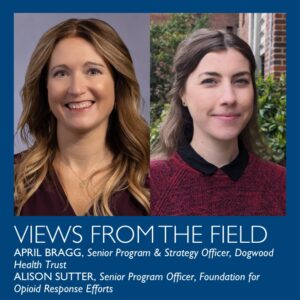
Most pregnancy-related deaths in North Carolina are preventable. Yet mental health conditions, including overdose and suicide, remain the leading cause of pregnancy-related death. For health care leaders, that reality demands a closer look at how we identify, treat, and support pregnant and postpartum patients with opioid use disorder.

Preventing Domestic Violence by Reaching People Who Cause Harm
The research involved a landscape scan of Cook County, Illinois’ policies, funding, and services for people who cause harm with a goal of engaging the stakeholders and providers doing this work as well as survivors and those who receive services to identify barriers, challenges, and strengths of domestic violence prevention programs. The research examined Partner Abuse Intervention Programs (PAIP) in particular, a standard intervention for people who cause harm that is overseen by the Illinois Department of Human Services.
Post-Overdose Response Teams: A Community-Based Approach to Public Safety
Recent changes in the federal policy landscape have created new questions for communities working to address substance use disorder (SUD), mental health needs, and housing instability. In this evolving environment, philanthropy, in collaboration with community-based organizations and local governments, has an important role to play in supporting evidence-based responses to overdose and mental health emergencies that improve access to care, strengthen community wellbeing, and uplift public health while avoiding unnecessary criminal legal outcomes.

The Voters Health Care Reaches
August marks Civic Health Month, a time to showcase the link between voting and health. It arrives this year against a difficult backdrop. The enhanced Affordable Care Act (ACA) subsidies that helped millions afford coverage expired at the end of 2025, and federal cuts to Medicaid are reshaping who can get care and how. The ACA was among the hardest-won health equity victories in a century, and its erosion is a reminder that policy gains are never permanent. They are defended, or lost, depending on who shows up to vote.
Rural Health Information Hub: August 2026
The Rural Heath Information Hub recently released its Rural Mobile Healthcare Toolkit. This toolkit compiles evidence-based and promising models and resources to support organizations implementing mobile health care programs in rural communities across the United States. In particular, it highlights existing programs that have successfully provided rural mobile health care services.

The Merck Foundation: August 2026
The Call for Proposals is now open! The Merck Foundation has launched a United States initiative called the Community Collaborative for Reimagining HIV Care. Through the Collaborative, the foundation will provide grants to support the development and implementation of innovative, community-centered models of comprehensive care to meet the evolving needs of people living with HIV.