
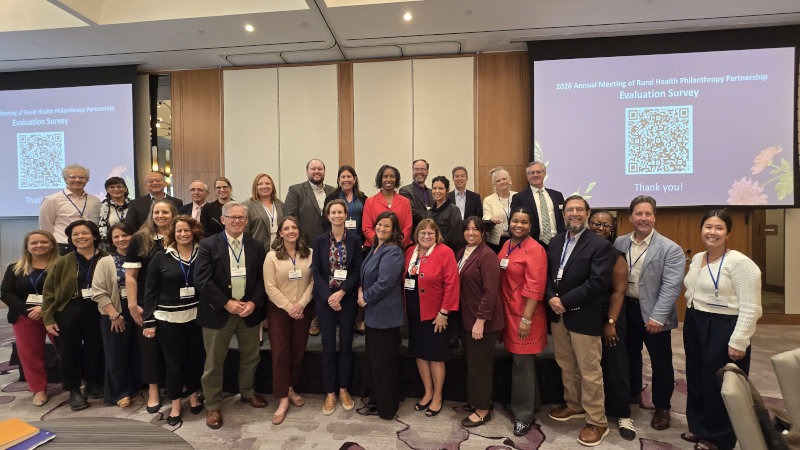
Make Connections to Create a Movement for Rural Health
On Thursday, September 24, the Annual Meeting of the Rural Health Philanthropy Partnership kicked off in downtown Bethesda, MD. Selected highlights from the convening’s first day setting the stage for a full day of sessions and networking opportunities centered on how collaboration can build on progress already underway in rural and tribal communities, including rural health transformation efforts.

Rural Health Information Hub: August 2026
The Rural Heath Information Hub recently released its Rural Mobile Healthcare Toolkit. This toolkit compiles evidence-based and promising models and resources to support organizations implementing mobile health care programs in rural communities across the United States. In particular, it highlights existing programs that have successfully provided rural mobile health care services.
Beyond Innovation: How Philanthropy Can Strengthen Systems to Improve Rural Health Outcomes
Sometimes innovation in philanthropy is associated with breakthrough technologies or new medical discoveries. But some of the most impactful investments fund something less visible: the coordination of people, protocols, and institutions already in place so they work together seamlessly to save lives.

Reimagining Rural Health and Well-being
To inform positive change, Grantmakers in Health (GIH) and the National Rural Health Association (NRHA) are partnering to reimagine a unified vision for health and well-being in rural America. The Georgia Health Policy Center (GHPC) was engaged to conduct a landscape analysis and facilitate listening sessions with rural health stakeholders at the local, state, and national levels.
Reimagining Rural Health Listening Sessions
The Georgia Health Policy Center facilitated two listening sessions—an in-person session in May 2025 (before H.R.1) with 12 representatives from public and private funders and health systems, and a virtual session in July 2025 (post H.R.1) with 21 program implementers from health care and community-based organizations.