
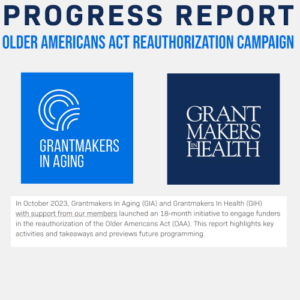
GIH Advocacy for the Reauthorization of the Older Americans Act (OAA)
The OAA provides critical services that address the social drivers of health for older adults. Grantmakers In Health (GIH) and Grantmakers In Aging (GIA) are partnering to engage funders in advancing the reauthorization of this important piece of legislation.
Explore Population Health Topics





Latest Resources

Make Connections to Create a Movement for Rural Health
On Thursday, September 24, the Annual Meeting of the Rural Health Philanthropy Partnership kicked off in downtown Bethesda, MD. Selected highlights from the convening’s first day setting the stage for a full day of sessions and networking opportunities centered on how collaboration can build on progress already underway in rural and tribal communities, including rural health transformation efforts.

Changing the Vaccine Conversation Before It’s Too Late—What Can Philanthropy Do?
In July 2026, the United States reached a grim milestone when the number of confirmed cases of measles exceeded the total for all of 2025. On August 10, 2026, the White House issued an executive order directing changes to the federal childhood vaccine schedule and categories, and calls for availability of separate measles, mumps, and rubella vaccines. The science has not changed, but the new framework could significantly slow down the delivery of protective immunizations from these serious diseases.
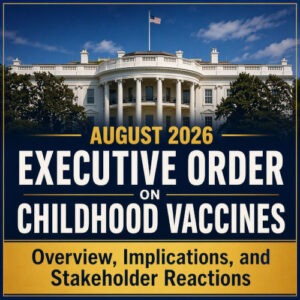
August 2026 Executive Order on Childhood Vaccines: Overview, Implications, and Stakeholder Reactions
This Grantmakers In Health policy resource provides an overview of the August 2026 executive order on childhood vaccines, including the restructuring of the federal immunization schedule, the directive to split the MMR vaccine, implications for insurance coverage, family costs, and state exemption laws, and reactions from stakeholders.

Beyond the Rankings: What Four Decades of KIDS COUNT Have Taught Me About Why Data Matter
For more than three decades, through the Annie E. Casey Foundation’s KIDS COUNT® project, decisionmakers and communities have had access to reliable national, state, and local data to improve outcomes for all children, young people, and families in this country. KIDS COUNT comprises the foundation’s national KIDS COUNT publications—the annual KIDS COUNT Data Book and periodic reports such as Race for Results; the KIDS COUNT Data Center, a resource for year-round national, state, and local data; and the KIDS COUNT Network of state-based partner organizations that help policymakers, advocates, journalists, and community leaders understand and use data to make informed decisions.

Opioid Use Disorder in Pregnancy: Countering Bias and Promoting Care
Most pregnancy-related deaths in North Carolina are preventable. Yet mental health conditions, including overdose and suicide, remain the leading cause of pregnancy-related death. For health care leaders, that reality demands a closer look at how we identify, treat, and support pregnant and postpartum patients with opioid use disorder.

Preventing Domestic Violence by Reaching People Who Cause Harm
The research involved a landscape scan of Cook County, Illinois’ policies, funding, and services for people who cause harm with a goal of engaging the stakeholders and providers doing this work as well as survivors and those who receive services to identify barriers, challenges, and strengths of domestic violence prevention programs. The research examined Partner Abuse Intervention Programs (PAIP) in particular, a standard intervention for people who cause harm that is overseen by the Illinois Department of Human Services.
Publications and Reports
Schools as Entry Points for Children’s Mental Health Services
Health grantmakers are in a strong position to support efforts to increase children’s access to mental health services by funding school-based services, building relationships between schools and service providers, disseminating information, and promoting policy change.
Not Your Usual Flu: Preparing Communities for H1N1 and the Fall Flu Season
Each fall, influenza sickens millions of Americans and causes approximately 36,000 deaths. This year, however, could be much worse as scientists and public health experts anticipate that H1N1 influenza will reemerge, perhaps in a more virulent form.
The Cost of Chronic Disease
Health care costs are a major concern in the current political debate around health care reform. In 2007 the United States spent $2.24 trillion (15.2 percent of gross domestic product) on health care. Studies have shown that 75 percent of the rise in health care spending is due to the rise in prevalence of treated chronic disease.
Connect With Funder Peers on Population Health
Interested in exchanging strategies, information, and questions with your funder peers? Sign up for GIH E-Forums.